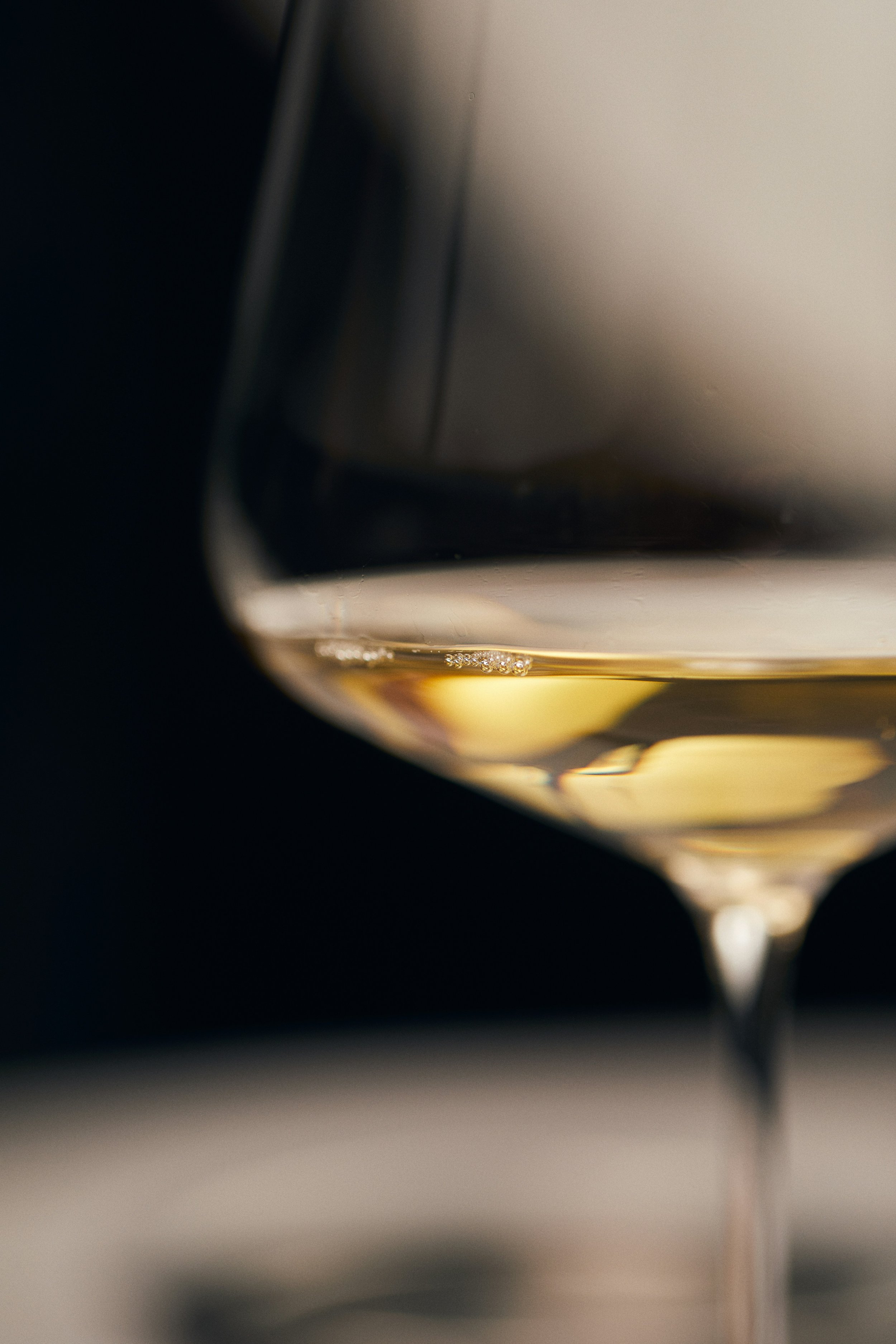
Last time we looked at Chardonnay which is one of the most widely planted varieties. Although it is probably best known as the white grape of Burgundy and a major grape of Champagne. Chardonnay is a versatile grape, and its style can vary widely depending on where it’s grown and how it’s made.
Basically, Chardonnay produces wines of a light golden hue, with notes of citrus, green apple, with floral aromas. On the palate, Chardonnay has moderate acidity and moderate alcohol with a medium body. But beyond that, it’s said that Chardonnay is a bit of a chameleon — it reflects its winemaking process more than almost any other grape.
So, now let’s take a look at the soft and buttery style of Chardonnay.
The soft and buttery Chardonnay wines are the result of specific winemaking techniques that give the wine a rich, smooth texture and a creamier mouthfeel.
Here are some key factors that contribute to this style of Chardonnay:
1. Malolactic Conversion
- This is the main reason for the buttery taste. In Malolactic Conversion, the harsh malic acid (the tart, green apple-like acid) is converted into softer lactic acid (found in milk and dairy products), which creates a smoother, creamier texture.
2. Oak Aging
- Many Chardonnays are aged in oak barrels, which impart flavors like vanilla, toast, and butter. Oak aging also helps soften the wine’s structure, adding complexity and a smooth, creamy mouthfeel. When a Chardonnay undergoes both Malolactic Conversion and oak aging, it typically enhances those butter-like characteristics.
3. Lees Contact
- “Lees” refers to the dead yeast cells left over after fermentation. Some Chardonnays are aged on the lees (sur lie), which can contribute to a fuller, creamier texture and develop subtle nutty or bread-like flavors. This can also increase the perception of softness in the wine.