Most people open a bottle, pour a glass, and drink it — and that’s perfectly fine. But it turns out that a few simple decisions about how you serve wine can make a real difference in how much you enjoy it.
Serving a red wine too warm, or a white wine too cold, changes how it tastes. The shape of the glass affects how the aromas reach your nose. And knowing when — and when not — to decant can mean the difference between a wine that opens up beautifully and one that never quite gets there.
This page covers the practical side of serving wine well, from choosing the right glass and getting the temperature right, to decanting, food pairing, storing open bottles, and even how to open one without making a mess. None of it requires special equipment or expertise — just a little know-how that quickly becomes second nature.
Wine Glasses
The glass you choose matters more than you might think — its shape directs the wine’s aromas toward your nose and affects how it hits your palate. These articles explain what to look for and how to get the most out of whatever glasses you have.
Do You Need a Different Wine Glass for Each Varietal of Wine?
A Simple Way to Pour Just the Right Amount of Wine in a Glass
Properly Pouring the Right Amount in a Glass Enhances the Wine’s Flavor
Cleaning Wine Glasses
- Ideally, all you need to do is wash a wine glass in warm water and dry with a dry lint-free cloth
- If you must use any type of soap or detergent, ensure that the glass is very well rinsed so that there is absolutely no film or residue remaining that could affect the fragrance or flavor of the wine the next time that it is used
- Always fully dry the glass and ensure there is no remaining cloudiness on the glass. For proper presentation, you want it to be sparkling clean.
How Many Glasses of Wine are there in a Bottle?
- A standard 750 ml bottle of wine (25.3 oz) contains five 5 oz glasses of wine
Temperature
Serving temperature is one of the most overlooked factors in wine enjoyment, and one of the easiest to get right. Red wines served too warm taste flabby and alcoholic; white wines served too cold taste flat and muted — these articles help you find the sweet spot.
The Serving Temperature Can Greatly Affect How Your Wine Tastes
Want Your White Wine to Have More Flavor? Don’t Serve it So Cold!
Decanting Wine
Decanting isn’t just a formality for old bottles — it can genuinely transform how a wine tastes by allowing it to breathe and releasing its full range of aromas. These articles explain when decanting helps, when it doesn’t, and how to do it well.
Wines for Occasions
Some wines are just right for a particular moment. These articles offer a few occasion-specific suggestions to point you in the right direction.
Wine Defects
Not every bottle is perfect — wines can go bad from oxidation, a faulty cork, improper storage, or other causes. These articles help you recognize when something’s off and understand what went wrong.
Pairing Food and Wine
Wine and food have a natural affinity — the right pairing can make both taste better than either would alone. These articles cover the basics of matching wine to food without overcomplicating it.
Proper Storage
How and where you store wine — both before and after opening — has a real impact on how it tastes. These articles cover the essentials, from keeping an unopened bottle in good condition to making the most of a half-finished one.
Opening a Bottle
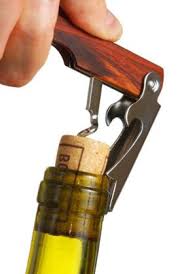
Opening a bottle of wine should be simple, but there’s a right way to do it — especially with sparkling wines or wax-sealed bottles. These articles walk you through the process and help you avoid the most common mishaps.