Posts tagged “Aging”
18 posts
July 19, 2025
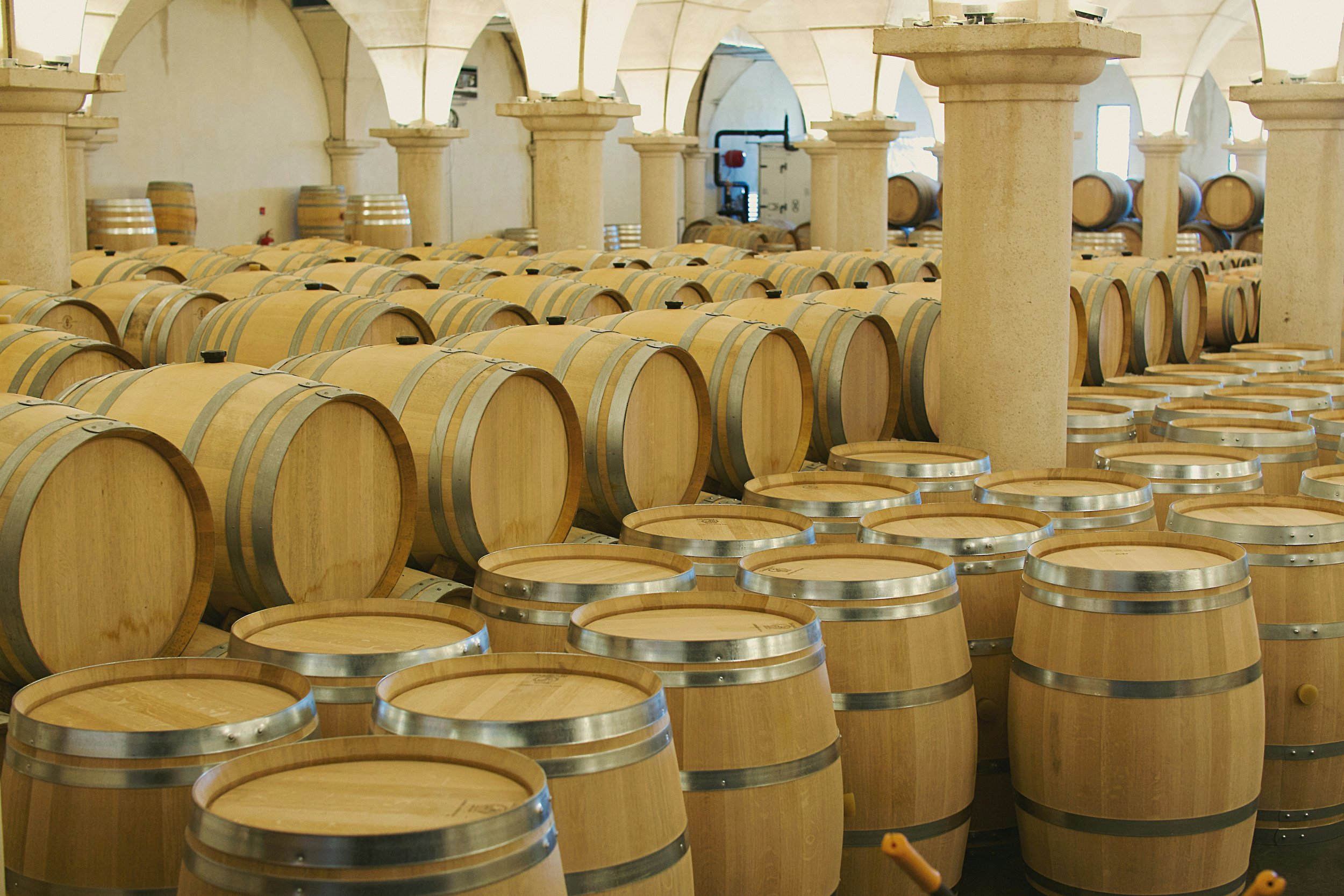
Aging of a wine before bottling is a balance between the wine’s inherent qualities and the winemaker’s goals.
The decision often involves experimentation, understanding the vineyard, and following the wine’s natural development over time.
Here are...
July 12, 2025
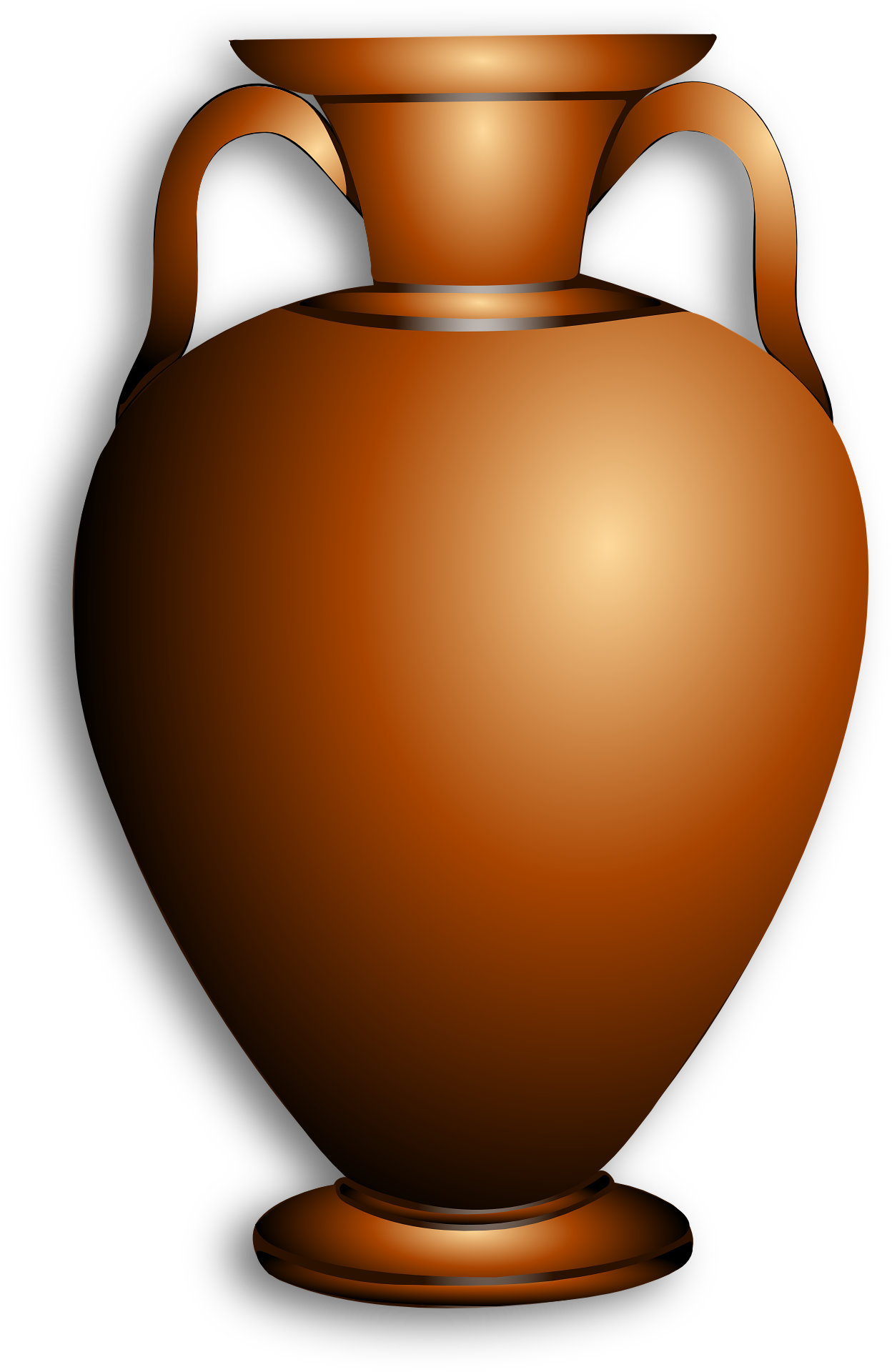
An Amphora Wine Vessel (Image by OpenClipart-Vectors from Pixabay )
Oak barrels are often the choice of a wine maker for an aging vessel. But, did you know, stainless steel, concrete and amphora are also used by wine makers in order to achieve the w...

June 7, 2025
Aging wine on lees (also known as sur lie aging) is a winemaking technique that can play a role in shaping the flavor, texture, and complexity of a wine—especially whites like Chardonnay, Champagne, and Muscadet, but also increasingly in reds and eve...
September 23, 2023
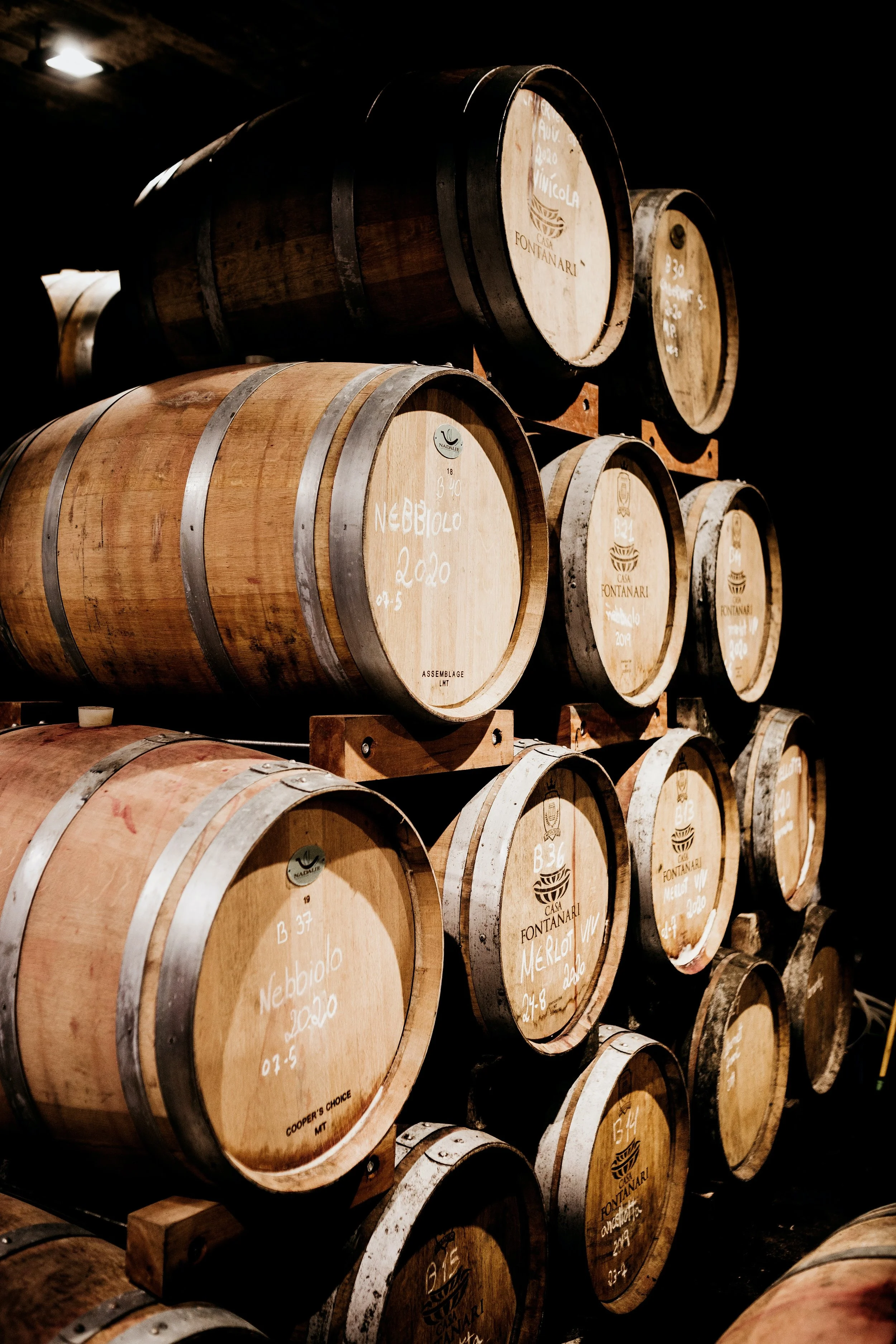
Wine may be fermented and aged in a variety of materials including stainless steel, ceramic vessels, including concrete, and in oak barrels.
Oak barrels add additional quality, character and smoothness to wines and can impart many flavors into the w...
October 9, 2021
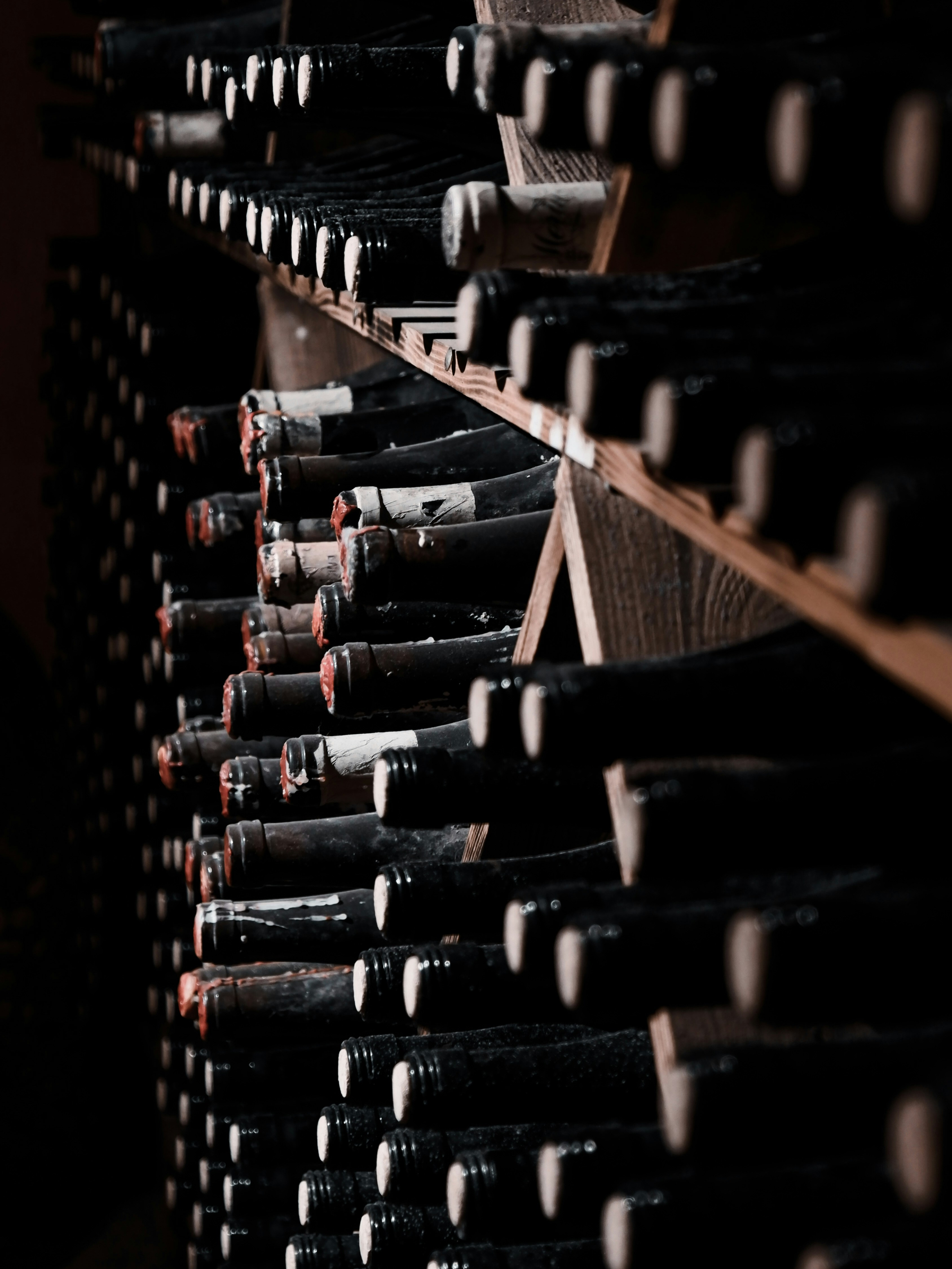
Wines with the best “structure” will generally age most gracefully.
Finding wines that will improve over time requires that you pay attention to a wine’s structure. What is structure? These are the primary components:
Acidity - Wines lose acidity...
September 25, 2021
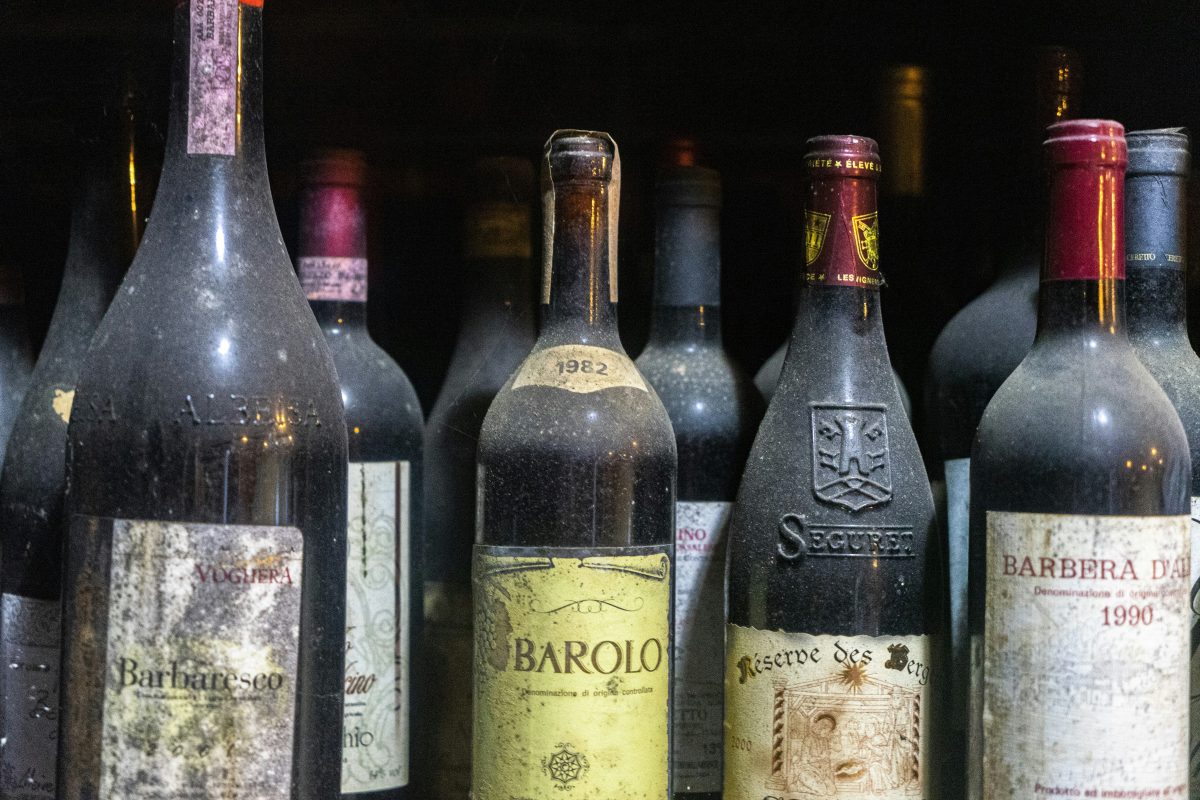
It’s a common belief with wines - an older bottle is better than a younger bottle. But, is that always so?
If you’ve read some of my past blogs, you’d know that one of my favorite lines is “One of the first things to understand about aging wines is ...
December 12, 2020
Last time we looked specifically at how oak affects the flavor of wine. There we learned that oak can be used in the fermentation process and/or the aging process to add various flavors to the wine. But before you take a first sip of wine, swirl your...
April 28, 2018
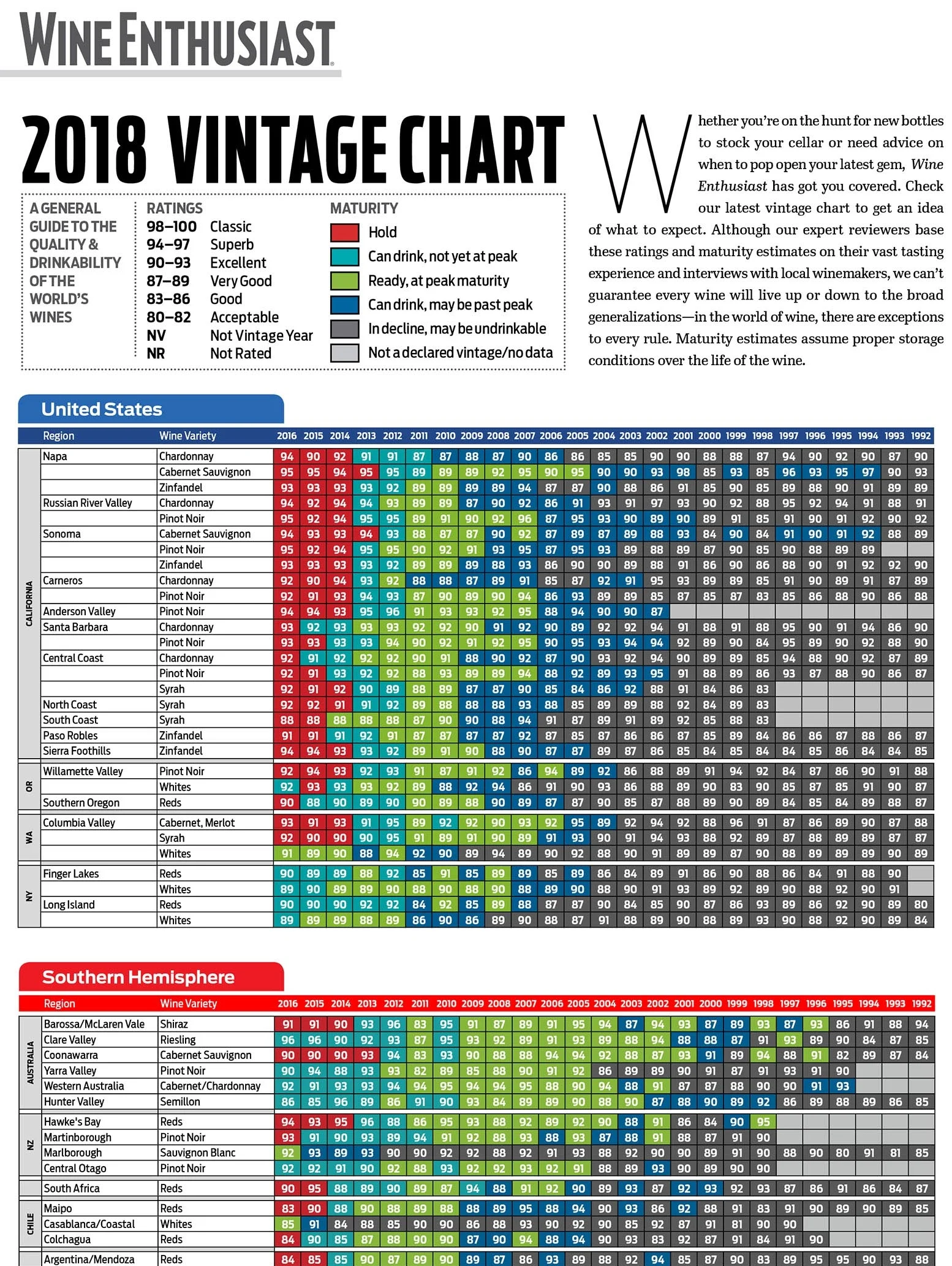
Wine Enthusiast Magazine, February 2018
Last time we looked at the factors that make a wine more capable of bottle aging. And, somewhat surprisingly, there are very few wines that actually hold up well in the bottle, even with proper storage. So t...
April 21, 2018
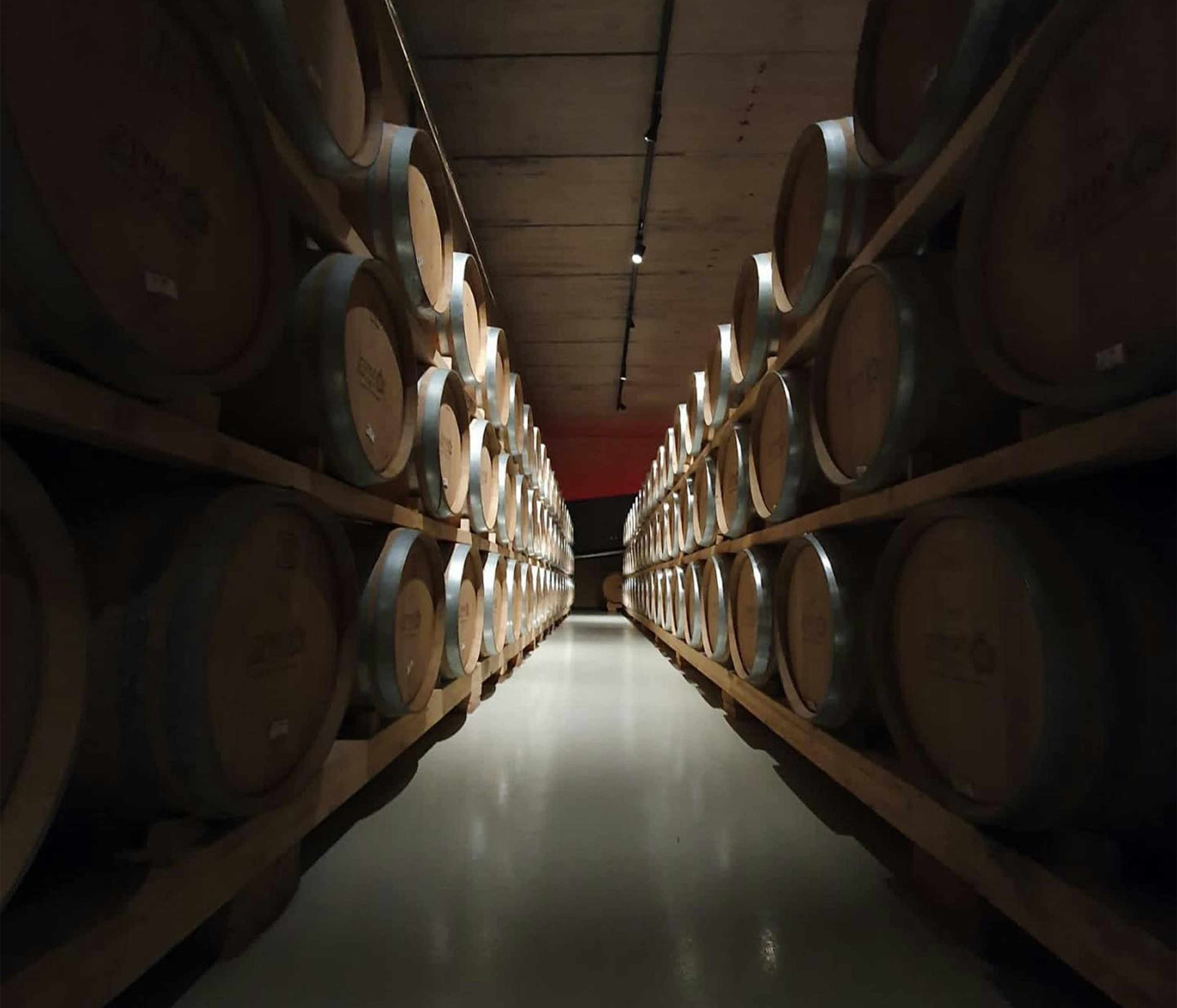
We’ve now worked our way through how a wine gets its flavor - from the grape, the skins, seeds and stems, fermentation, barrel aging and last time we touched on bottle aging. There we learned that most wines are not meant for long-term bottle aging. ...
April 14, 2018
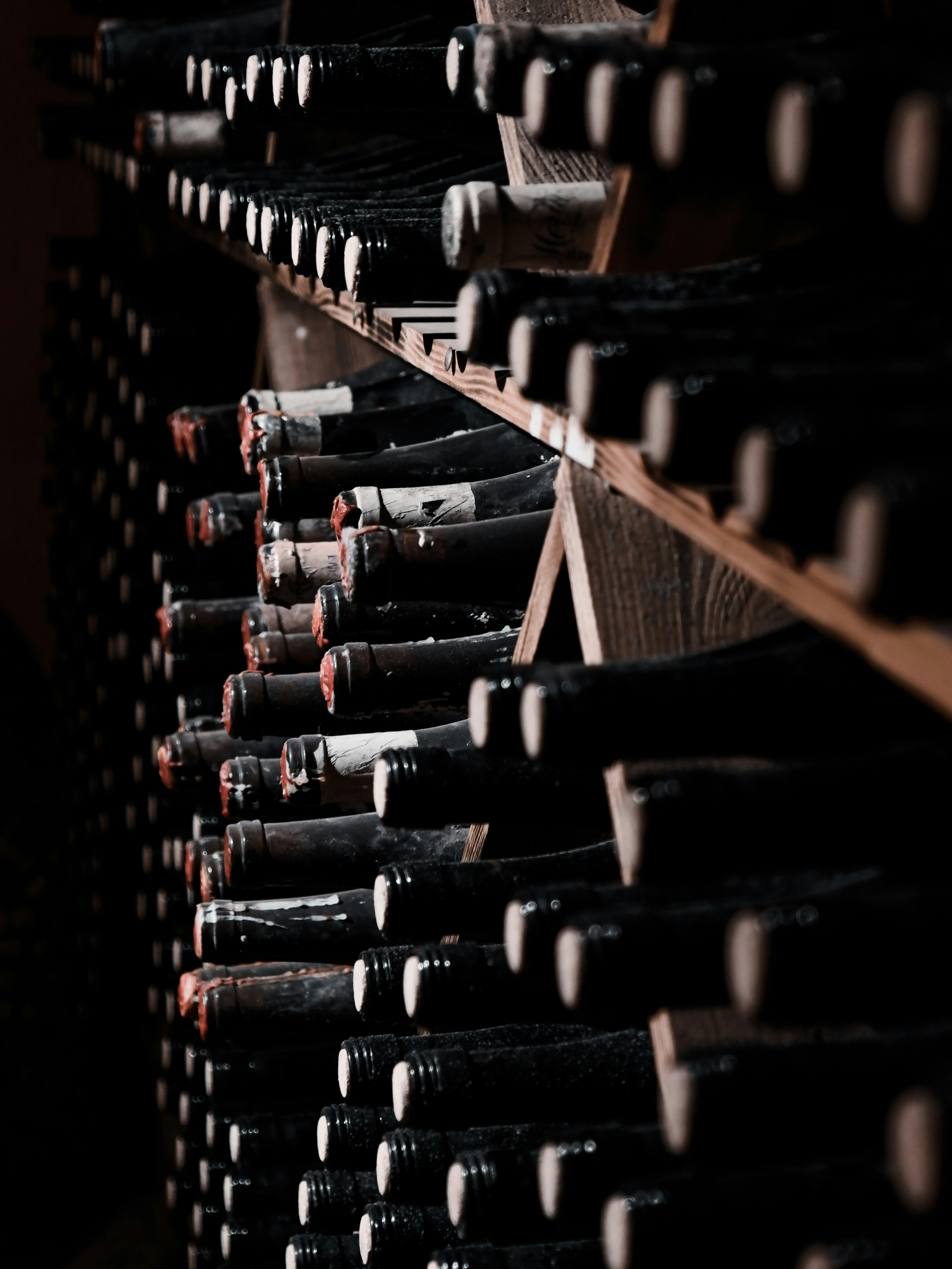
As we continue exploring wine flavors and where they come from, let’s take a step back to last time.
As was noted, barrel aging can impart many wonderful flavors to wine. Additionally, barrel aging imparts tannin. And, tannin is very important to a ...
April 7, 2018
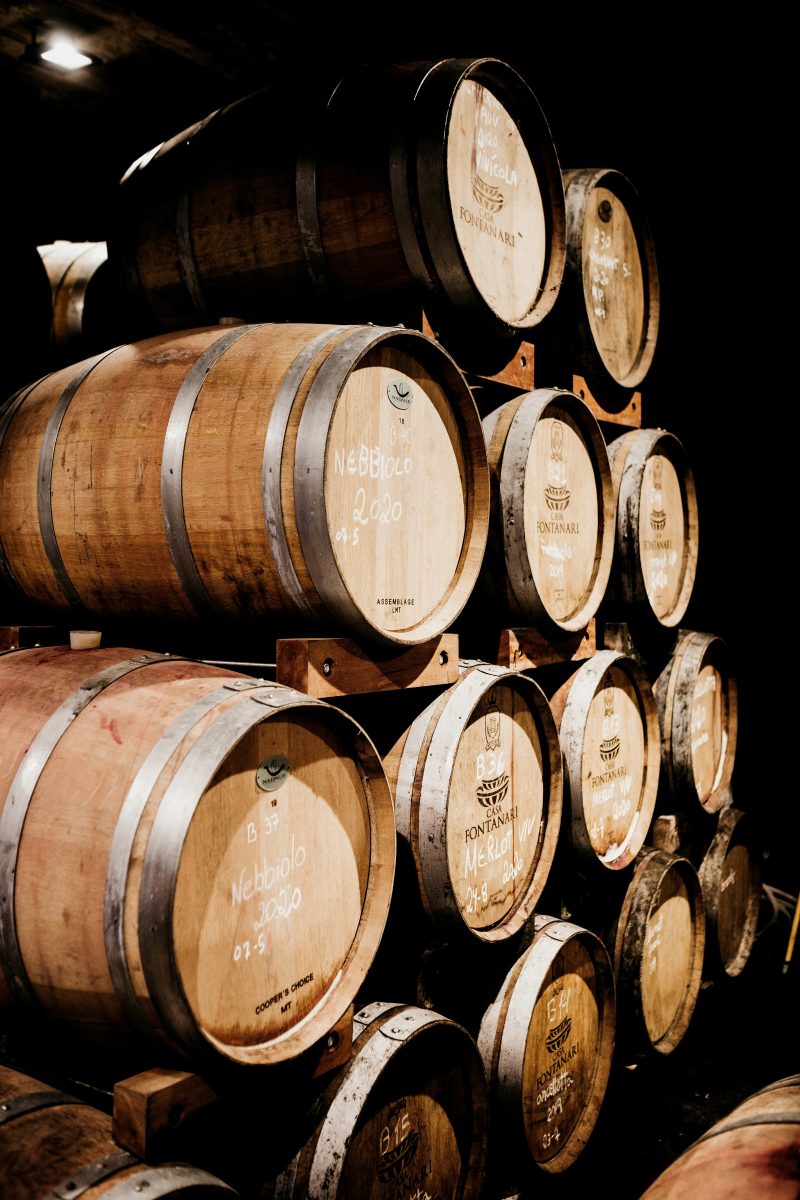
Last time we learned that aging wine in barrels can impart flavors ranging from none, in older ‘neutral’ barrels, to subtle hints of vanilla, or bolder flavors of chocolate and smokiness, depending on the barrels age and the degree to which its insid...
March 31, 2018
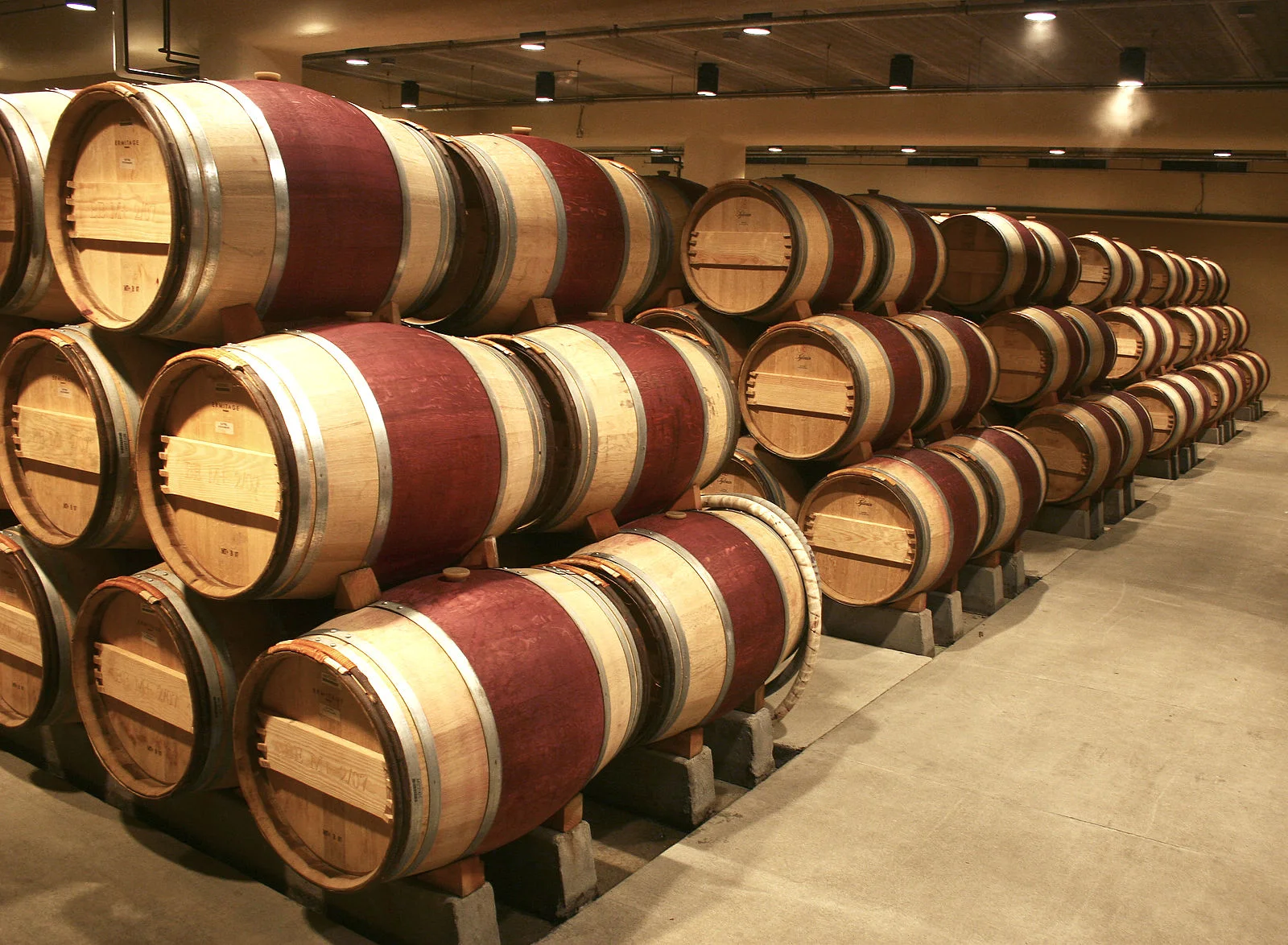
We’ve been exploring where wine gets it flavor from starting with the star of show, the juice of the grapes, then learning how the grape skins, seeds and stems can affect the finished flavor and we also looked at how the fermentation process can affe...
March 5, 2016
Last time we addressed some general guidelines on how long wines can age, noting that rosé should be consumed immediately after bottling while still bright, fruity and fresh, most white wines are typically best within a couple of years of bottling, a...
February 27, 2016
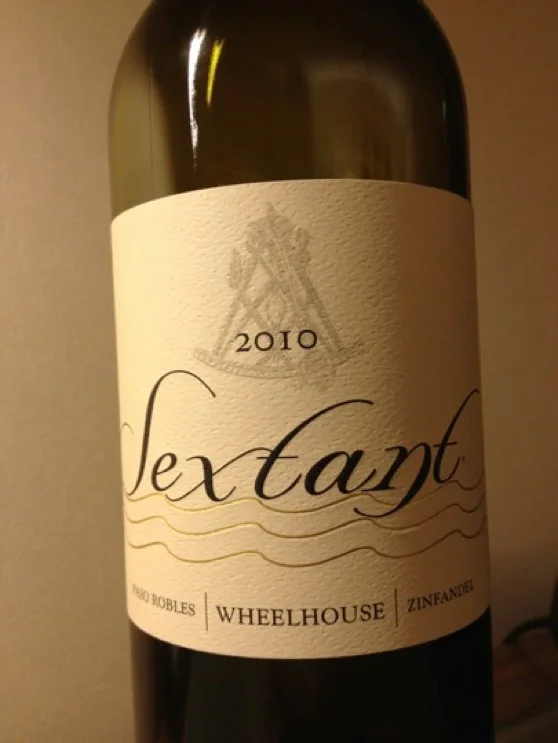
Last time I mentioned buying a rosé that turned out to be more than three years old, that may not have been properly stored, had turned a brown-orange color and had nutty flavors that a fresh, fruity rosé should not have. And, several years ago I di...
February 20, 2016
Have you ever opened a bottle of wine, poured a glass, taken a sip, and then asked yourself “Has this wine gone bad?” Sometimes a defective wine is hard to establish, but other times there is no question that the bottle has gone bad.
Last week I we...
November 21, 2015
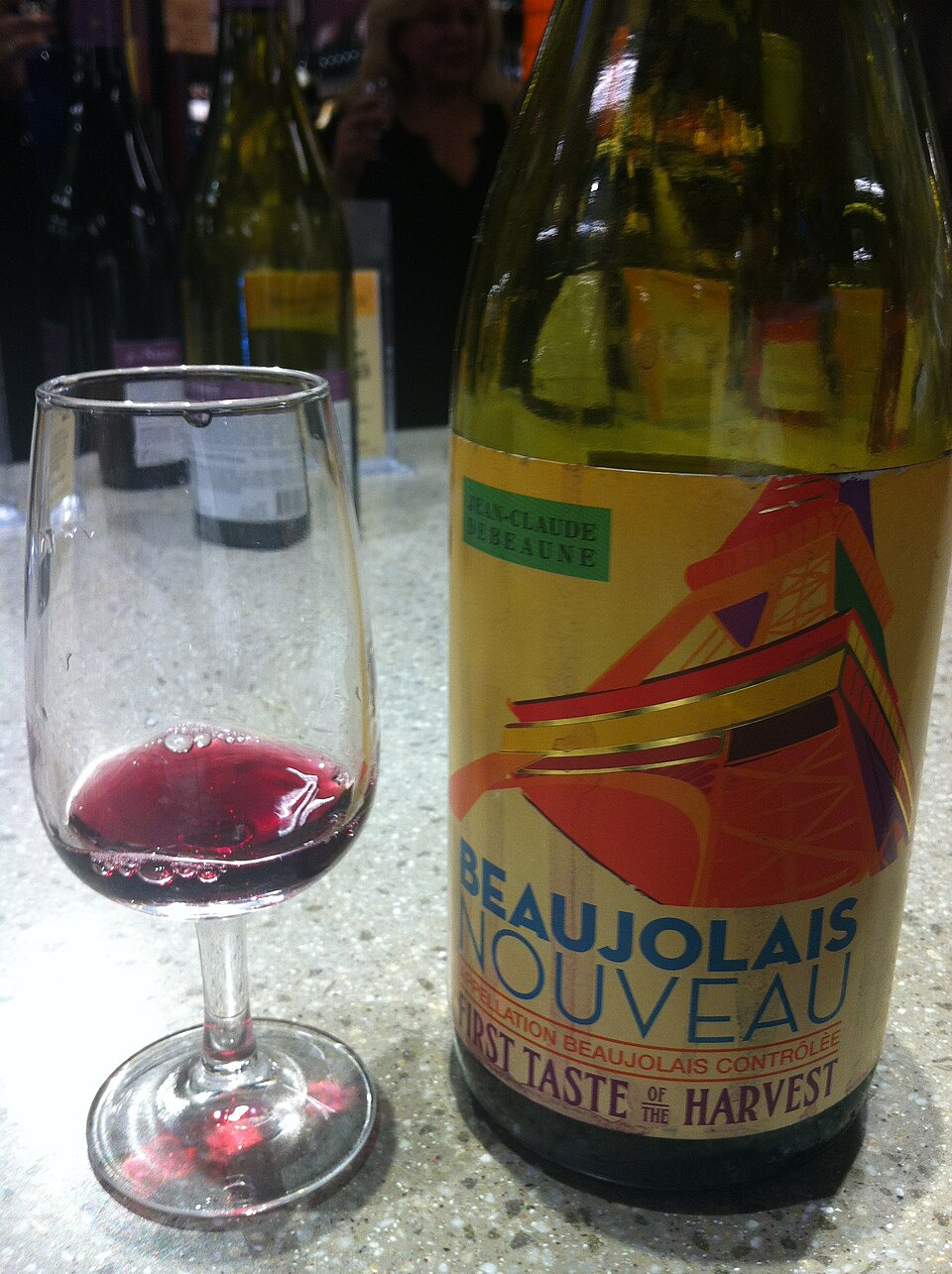
Ever heard of Beaujolais Nouveau? Well, its name literally mean ‘new Beaujolais’ and it really is ‘new.’
On the third Thursday of each November, France releases Beaujolais Nouveau wine to the world. The ‘new’ part of this wine is due to the fact ...
November 7, 2015
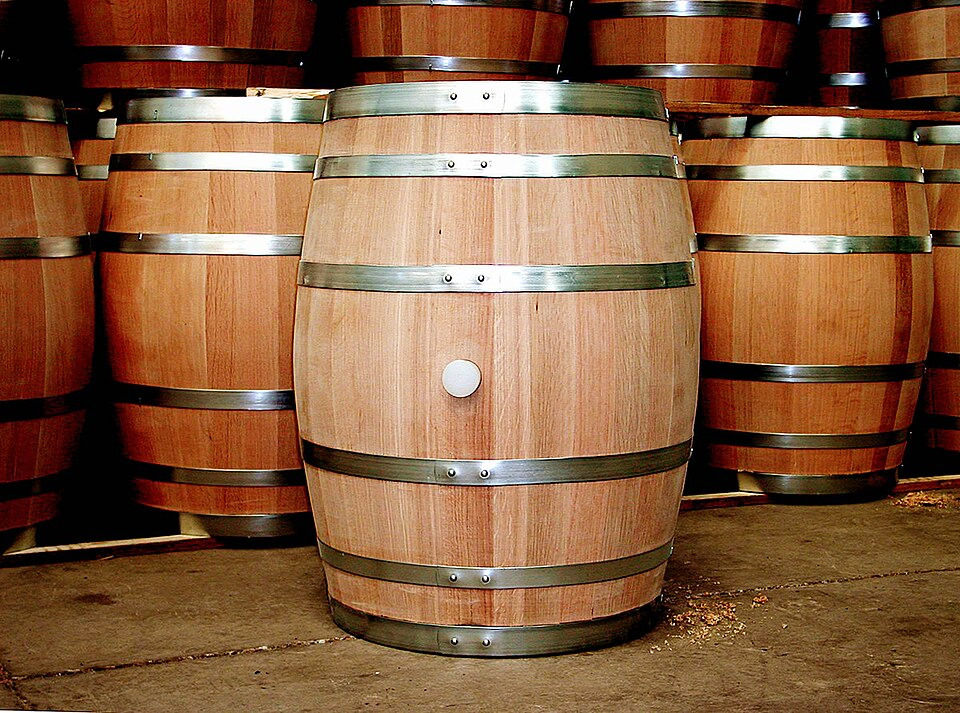
Last time we discussed how all the fruit flavors get into wine. We discussed that wines don’t actually contain fruit other than grapes, but the grapes, the soil they are grown in, the fermentation process, and the aging process can impart other fruit...
October 31, 2015
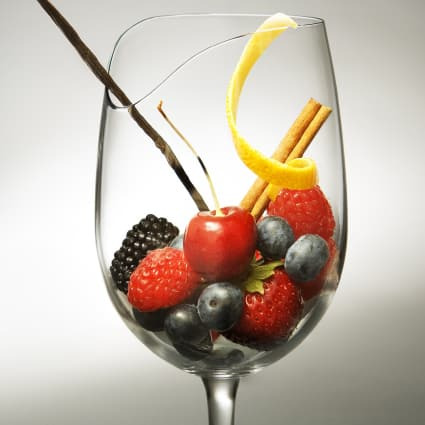
Last time we took a quick run through how wine is made. And you may have noticed that there are only two ingredients in wine: grapes and yeast. Yet, white wines can be described as having flavors that include lemon, lime, grapefruit, apple, peach, p...
← All posts