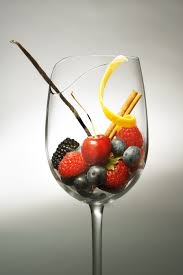
Take a sip of wine and you might pick up cherries, or leather, or something earthy and mineral. Take a second sip and notice whether it feels crisp or smooth, light or full, whether it dries out your mouth or lingers with a hint of sweetness. That’s flavors, aromas and texture at work — and once you know what to look for, tasting wine becomes a genuinely different experience.
The articles on this page explore how all of those sensations get into wine in the first place, from the grapes and the fermentation process to the aging barrels and everything in between.
You’ll also find plain-language explanations of the four fundamental building blocks of any wine — acidity, tannin, alcohol and sweetness — and how they work together to create balance.
Whether you’re just starting to pay attention to what you taste, or you simply want to put better words to what’s already in your glass, this is a good place to start.
How Flavors and Aromas Get into Wine
Wine doesn’t just taste like grapes — it can taste like cherries, leather, tobacco, flowers, or freshly cut grass. These articles explain where all those aromas and flavors actually come from, tracing them from the vineyard through fermentation and into the glass.
- How Does the Flavor of Leather Get into Wine?
- How Do All Those Flavors Get into Wine?
- Where Do All Those Flavors in Wine Come From?
- How Do All Those Other Fruit Aromas and Flavors Get into Wine?
- Wine Aromas and Flavors are Heavily Influenced by Esters, Isoprenoids, Thiols and Phenols
- Aromas Play an Important Role in How a Wine Tastes
- Wine Flavors — The Grapes
- Wine Flavors — The Grape Skins, Seeds and Stems
- Wine Flavors — The Fermentation Process
- Wine Flavors — Malolactic Conversion
- Wine Flavors — The Aging Process
- How Fermentation and Aging Affect a Wine’s Aroma
- Can Aged Riesling Really Have the Aroma of Petrol
Oak and Its Effect on Wine
Oak barrels do far more than just hold wine — they actively shape its flavor, adding notes of vanilla, toast, spice, and cedar while influencing texture and structure. These articles take a closer look at how oak works and why the type of barrel matters.
- Oak and Its Effect on Wine Flavors
- How Oak Affects the Flavor of Wine
- Types of Oak Used in Wine Barrels
- What’s the Difference Between American and French Oak Barrels?
The Four Fundamentals
Every wine — regardless of grape, region, or style — is built on four structural elements: acidity, tannin, alcohol, and sweetness. Understanding these building blocks, and how they need to balance each other, is one of the most useful things any wine drinker can learn. These articles break each one down in plain language.
- The Four Fundamental Traits of a Good Wine
- The Role of Acidity in a Wine
- Acidity Levels in Wine
- The Top Two Most Prominent Acids in Wine — Tartaric and Malic
- What Does Total Acidity and pH Mean in a Wine?
- What is Tannin?
- Why Red Wines Can Make Your Mouth Feel Dry but White Wines Don’t
- What is Residual Sugar?
- Factors that Affect How Sweet a Wine Tastes
- Is There a Relationship Between Alcohol Levels and Residual Sugar?
Texture and Body
Flavor is only part of what you experience when you taste a wine — the way it feels in your mouth matters just as much. These articles explore mouthfeel, body, and the other textural qualities that make one wine feel crisp and another feel rich and velvety.
- What Texture Means in a Wine
- What is Wine Body?
- What is a Dry Wine?
- Don’t Confuse a Dry Wine with a Tannic Wine
- What Makes a Wine “Refreshing?”
- Sip Your Wine for a More Enjoyable Experience
- What Does Jammy, Buttery and Earthy Mean in a Wine?
- Confusing Sweetness with Fruitiness in Wines
- The Relative Sweetness of Common Red and White Wines