Posts tagged “Tannin”
24 posts
December 28, 2024
There is a lot of wine ‘lingo’ that gets tossed around. And here is yet another phrase that is commonly used - grippy tannin.
One of the components of a wine, especially a red wine, is its tannin. It is derived primarily from grape skins, seeds and ...
February 10, 2024
What is more natural than a glass of wine?
Grow some grape vines, wait for them to produce grapes, harvest the grape bunches, de-stem them (sometimes), crush them to produce juice, leave the crushed grapes in contact with the juice to create color...
August 12, 2023
Wine terms can be confusing. Especially the terms “dry” and “tannic.”
Have you ever taken a sip of red wine and noticed that your mouth feels dry or dusty? Almost that ‘cotton-mouth’ feel? Well, that is a sensation that is generally associated with...
May 7, 2022
You may have heard of wines being described as “dry.” When I started out learning about wines, I was told that the best wines are dry wines. But what does that really mean? The problem is that the term can mean a couple of different things.
Some pe...
October 2, 2021
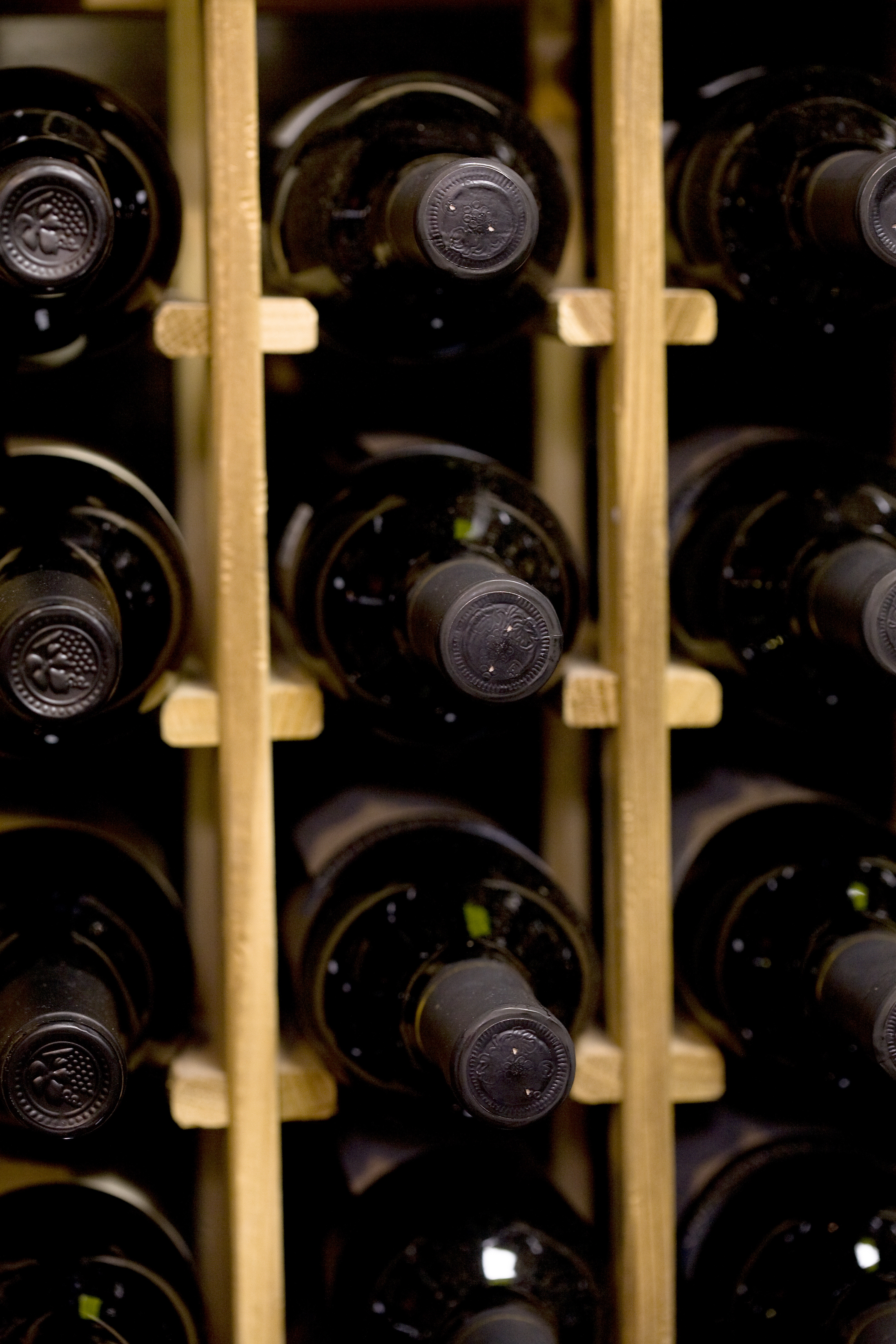
It is commonly known that red wines age best. But why, you may ask, is that? Why can red wine be aged longer than whites? After all, they are both made from the juice of grapes!
The answer has a lot to do with tannins and acidity, but residual sug...
September 18, 2021
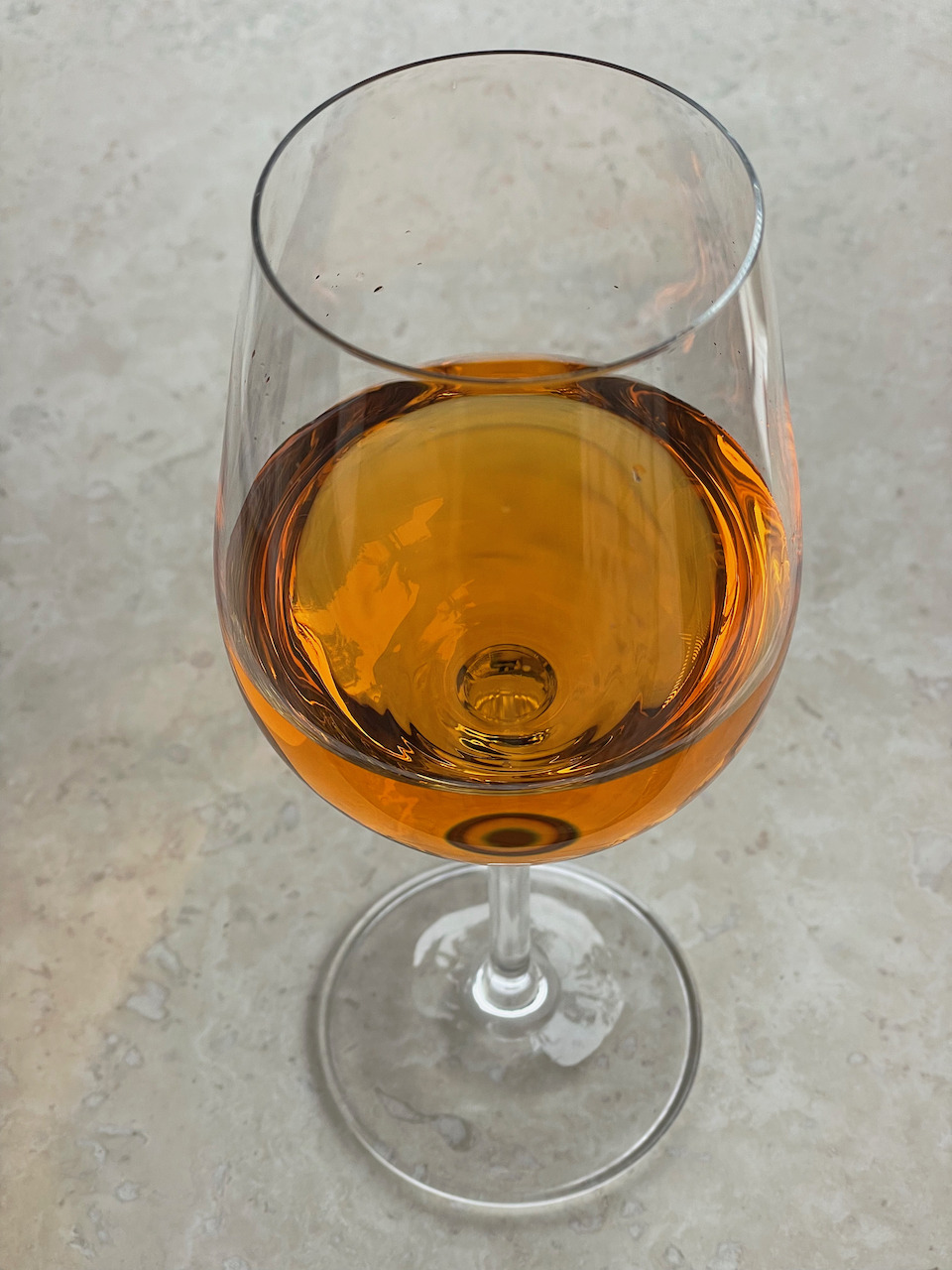
Several years ago, we took an initial look at Orange wine. Having recently been asked about Orange wine, I thought it would be worth another look.
First, let’s get the most important point out of the way - Orange wine is not made from oranges.
Lik...

June 20, 2021
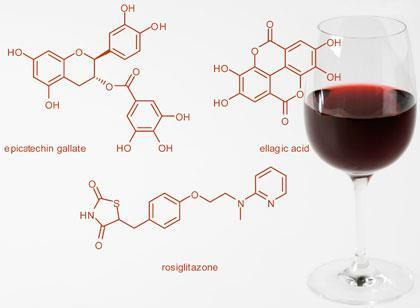
There are four fundamental traits that comprise a good wine. They are Acidity, Tannin, Alcohol and Sweetness.
For a wine to be considered “good,” each of these traits must be in proper proportion to each another.
This is because each of these four...
May 15, 2021
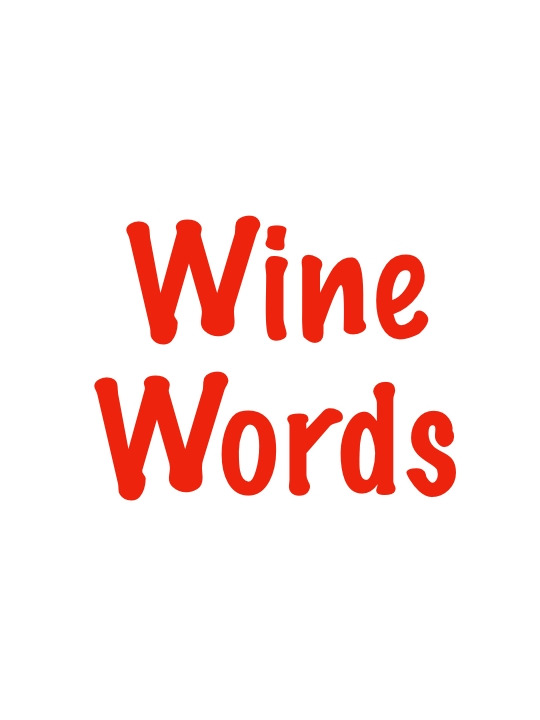
Have you ever sipped a wine and immediately experienced a drying sensation in your mouth? That astringent sensation, generally associated with red wines, is associated with tannins.
Tannin is a chemical compound (polyphenol) that occurs naturally in...
June 20, 2020
When wines get described you’ll often hear terms such as soft, smooth, silky, plush, firm, sharp and round. These are common textures we are familiar with when touching something with our hands. But what do these textures mean in wine?
Simply put, a...
August 17, 2019
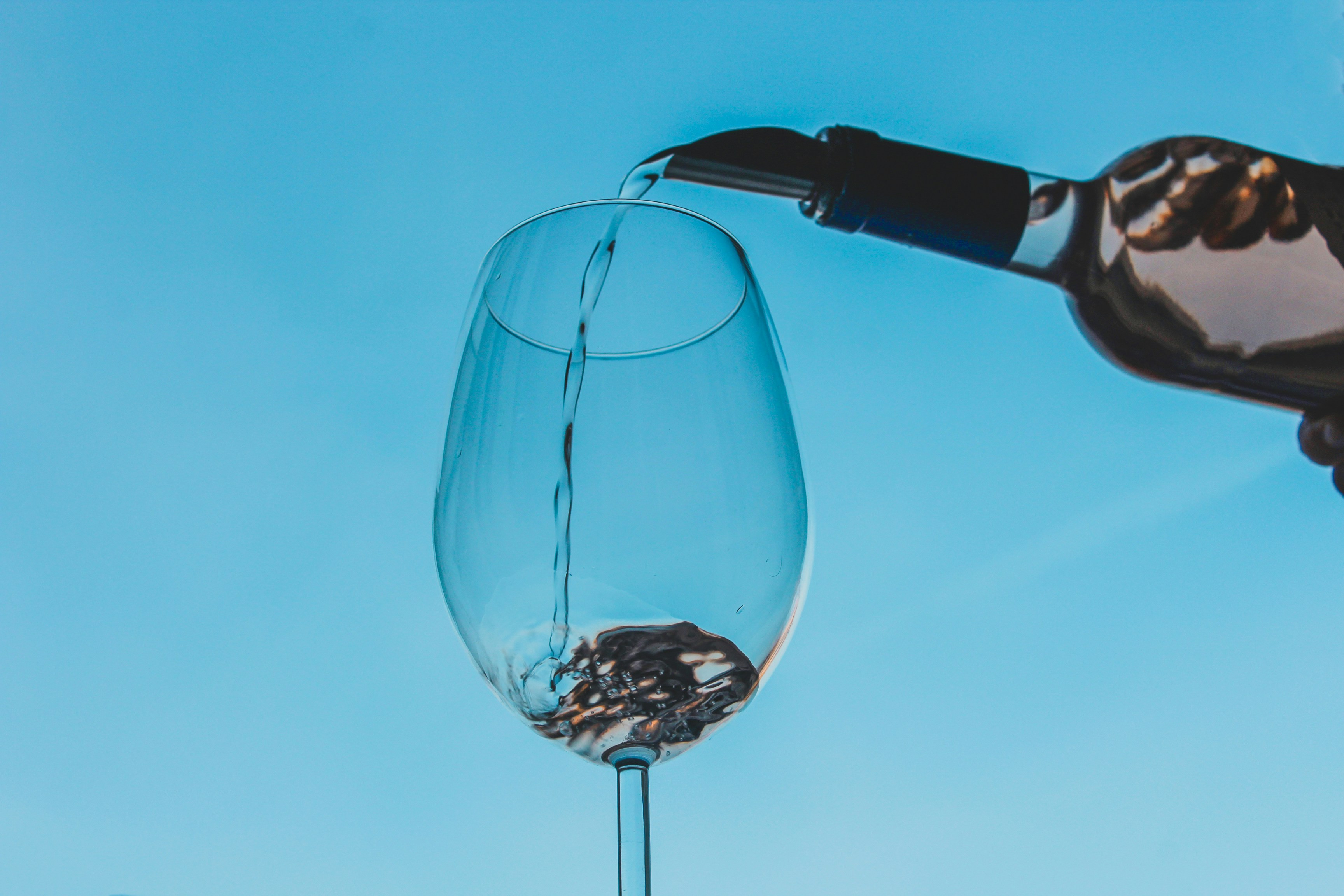
While catching up on some recent reading, I came across an article looking at wine decanting versus aerating. The bottom line presented in the article was that older wines should be decanted and young wines should be aerated. This caused me to pause...

January 19, 2019
Last time we learned that some red wines can make your mouth feel dry due to the natural tannin in the wine that comes from the grape’s skin, seeds and stems. But, if you don’t care for highly tannic wines, there are some things you can do.
The tann...
January 12, 2019
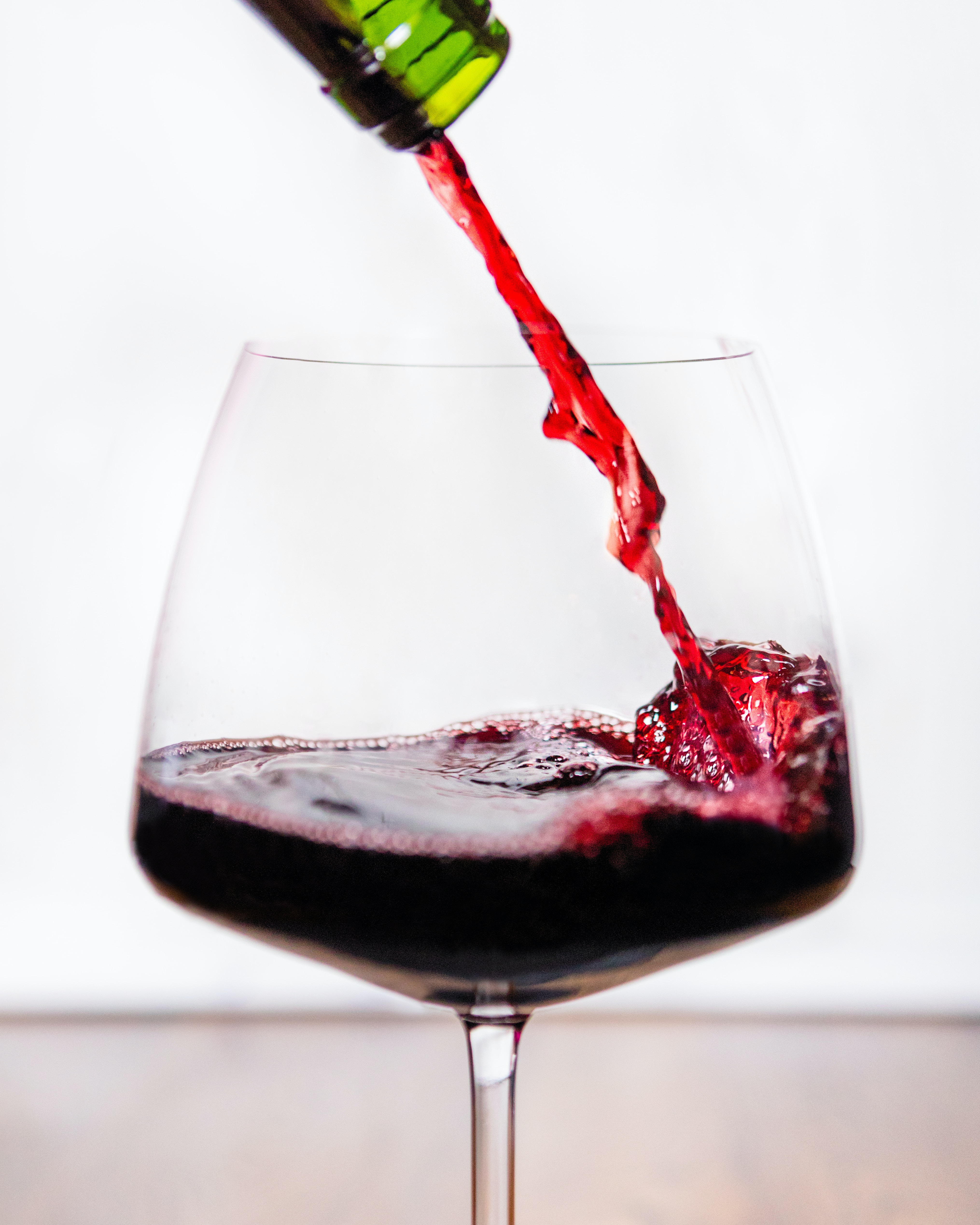
Have you ever taken a sip of red wine and noticed that your mouth feels dry or dusty? Almost that ‘cotton-mouth’ feel? Well, that is a sensation that is associated with red wine. Some red wines.
The dry sensation is due to the wine being astringent...
August 4, 2018
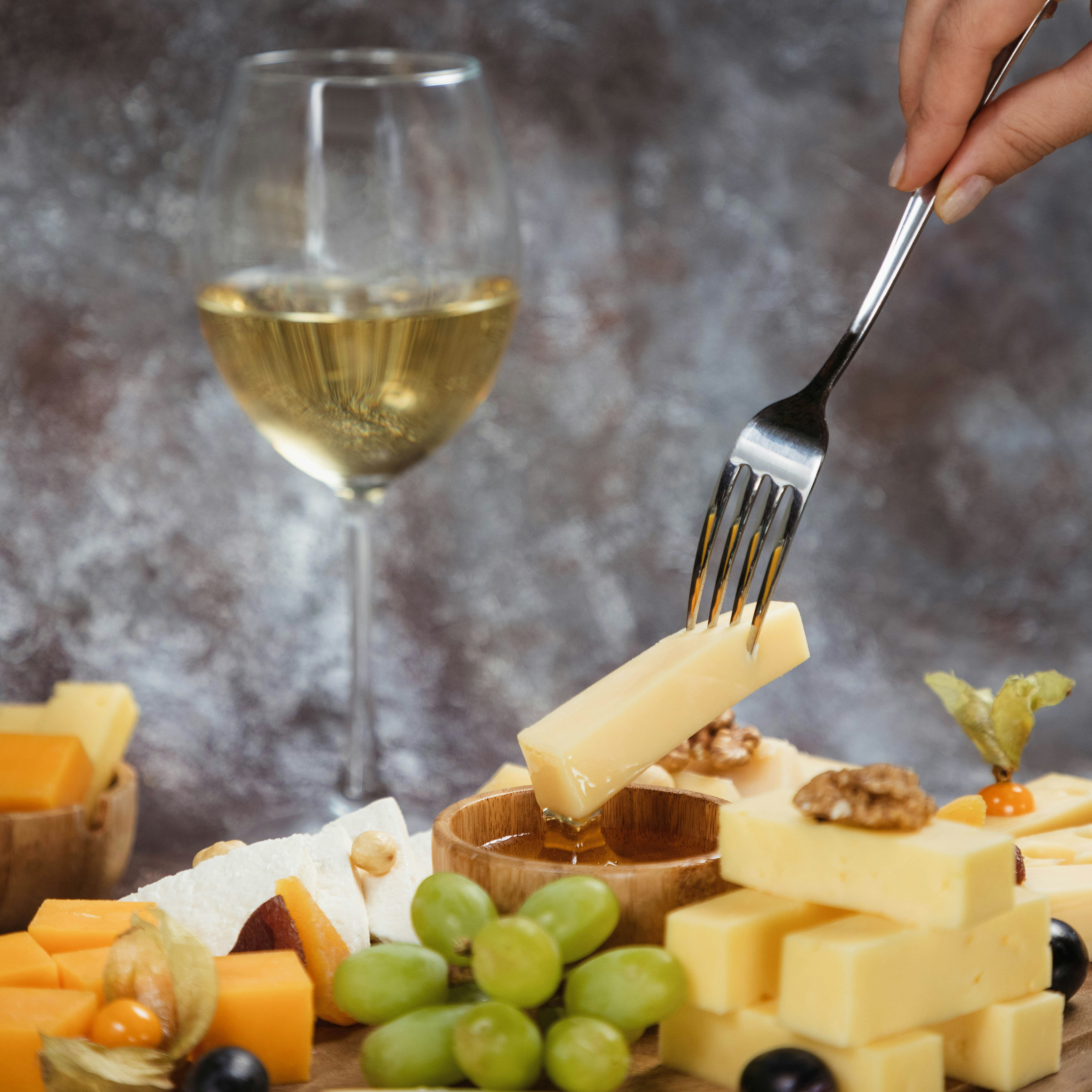
Wine and cheese. They just go together. But, there’s actually a pretty good reason that this pairing typically works together so well.
Let’s start with red wines. They can be rather tannic due to the stems, seeds and stems of the grapes. Tannin is ...
April 21, 2018
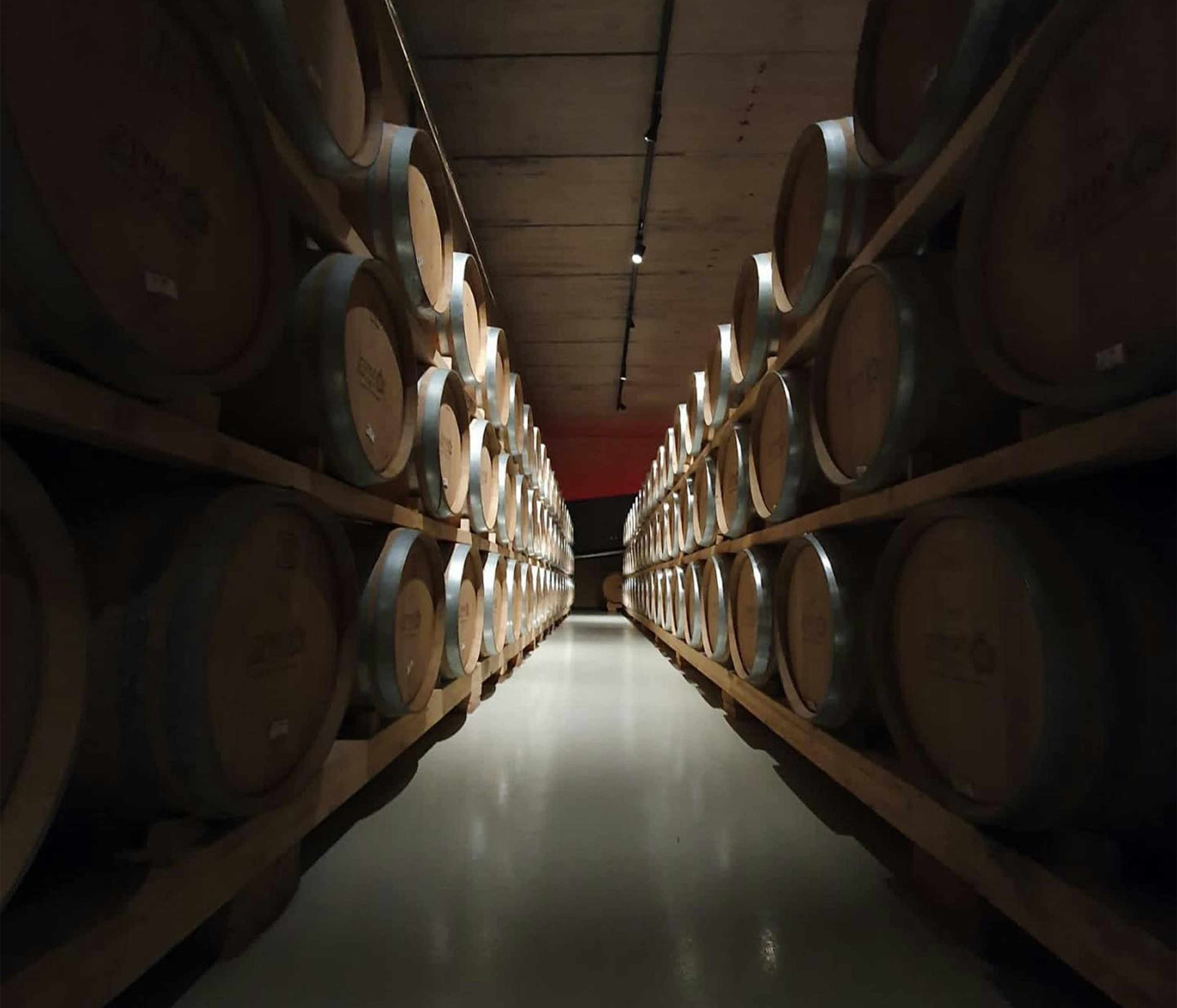
We’ve now worked our way through how a wine gets its flavor - from the grape, the skins, seeds and stems, fermentation, barrel aging and last time we touched on bottle aging. There we learned that most wines are not meant for long-term bottle aging. ...
April 14, 2018
As we continue exploring wine flavors and where they come from, let’s take a step back to last time.
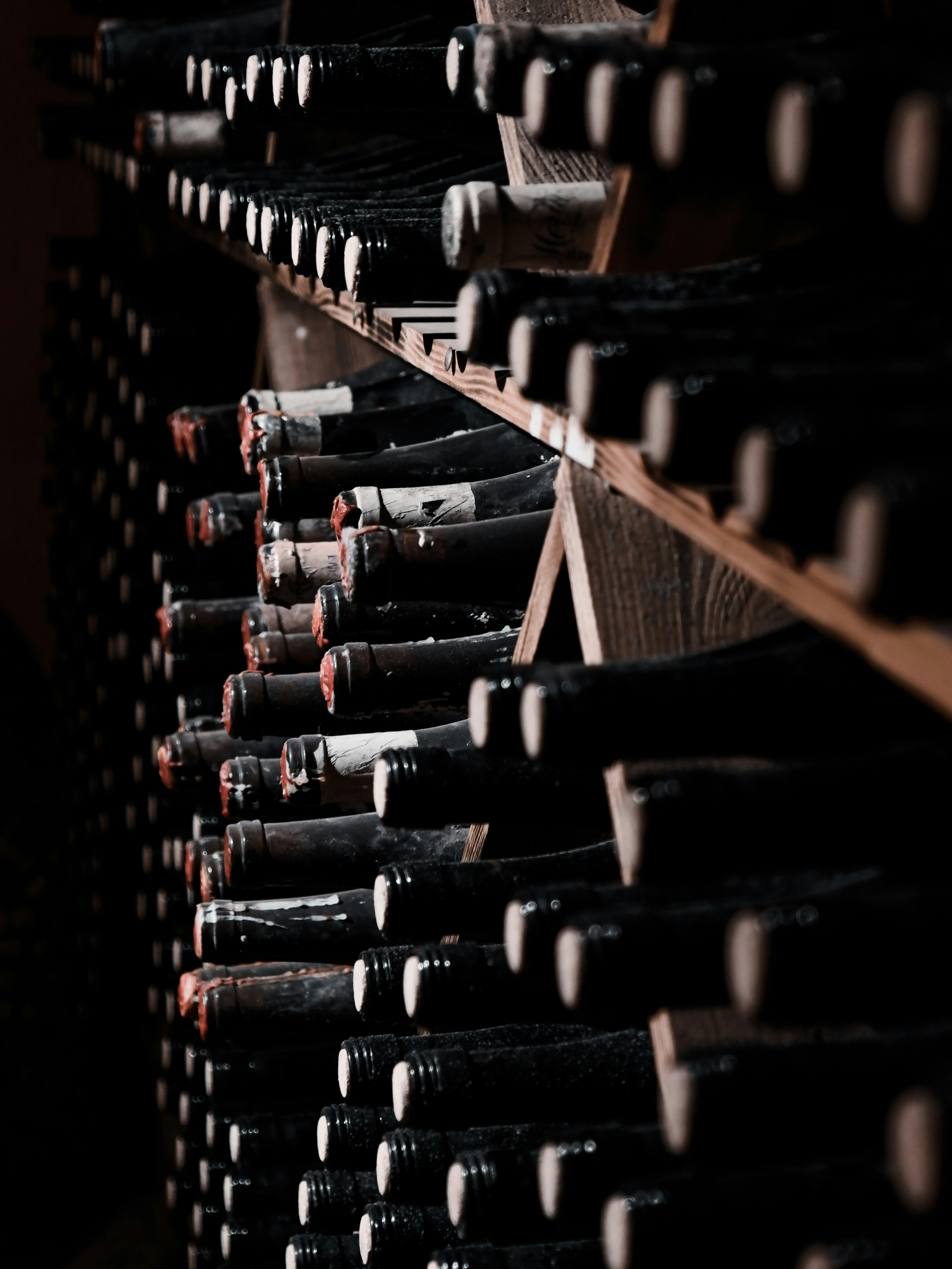
As was noted, barrel aging can impart many wonderful flavors to wine. Additionally, barrel aging imparts tannin. And, tannin is very important to a ...
March 17, 2018
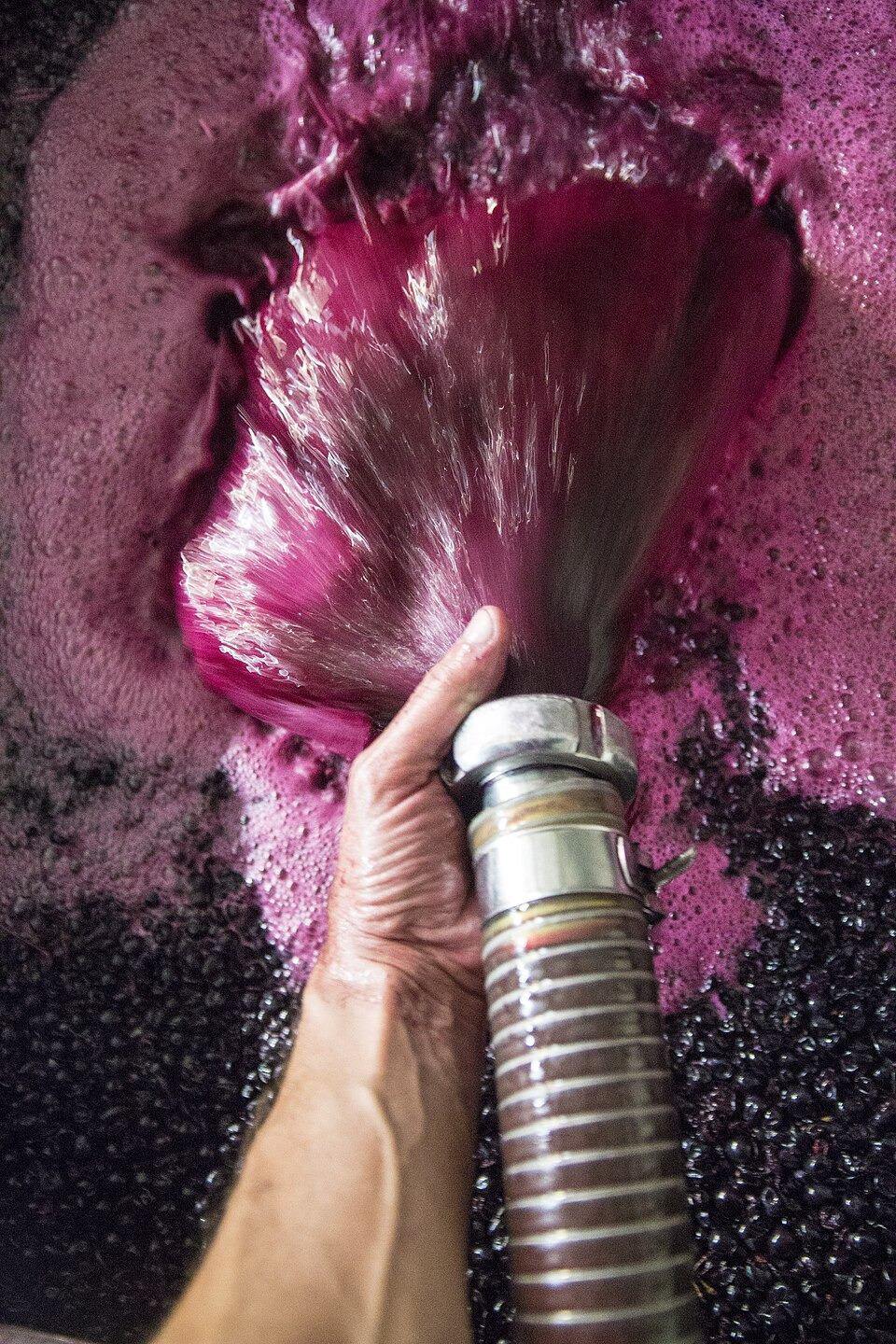
So far, we’ve learned that wine gets it flavor from three things - the grapes, fermentation and aging. Last time we looked at the fermentation process and how the yeast can affect flavor. But before we move on to flavors associated with aging, let’s ...

August 27, 2016
We’ve explored the various styles of white wines and made it through the light and medium bodied reds. Now it’s time to take the final step and look at the big, full bodied red wines.
These full bodied reds are going to be very dark in color, have r...
August 20, 2016
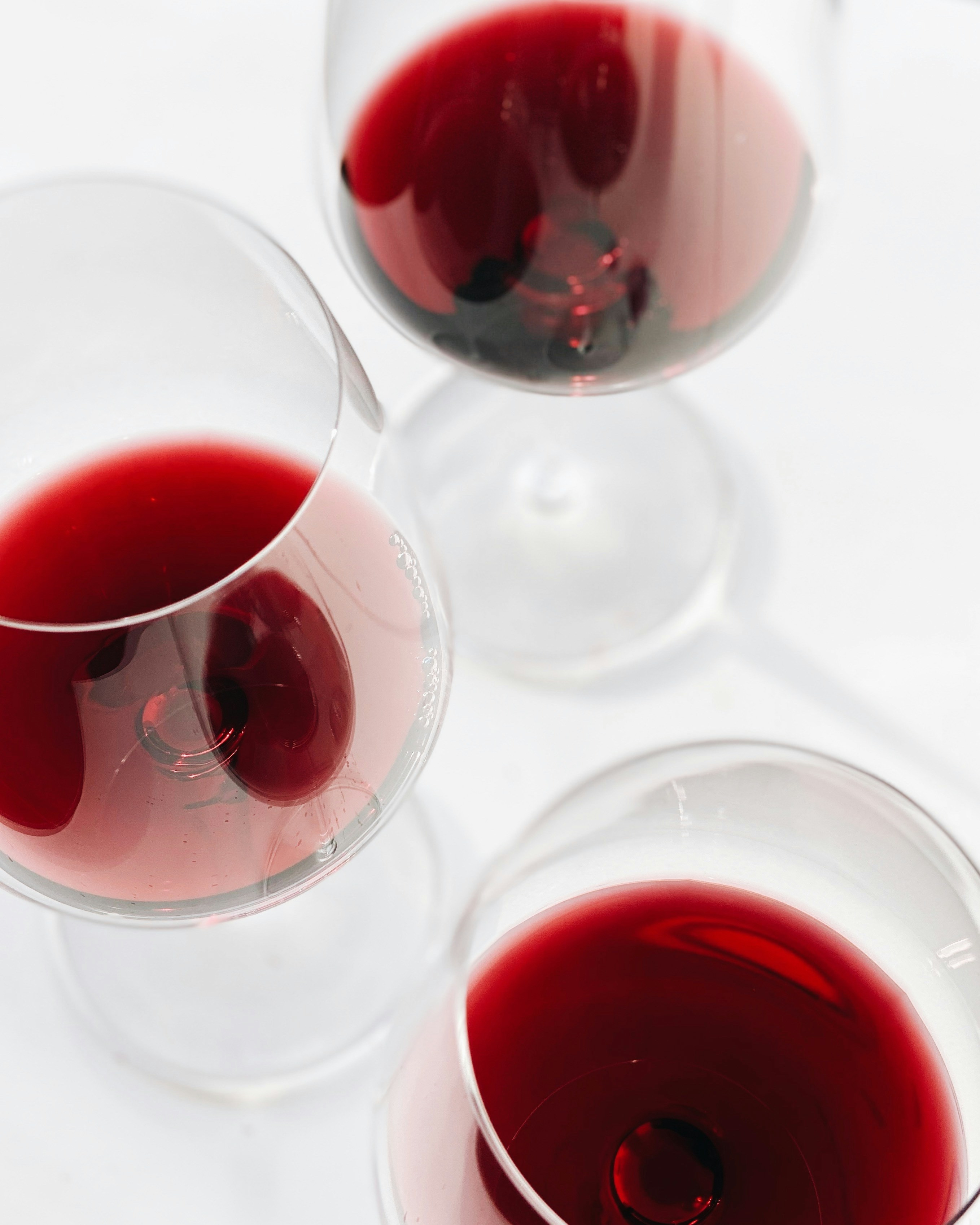
Recent posts have addressed light bodied red wines including two of the most common, Gamay and Pinot Noir. Light bodied red wines have bright red fruit flavor and little to no tannin. But looking across all red wines you’ll find very few that are li...

August 6, 2016
Having just completed a series on light, medium and full bodied white wines, it’s now time to transition to exploring red wines.
But first, just a quick review of the term ‘body’ as it relates to wine. The four major components of a wine’s body are...
July 23, 2016
Light bodied white wines are a great place to start when learning about and tasting wines. They are fresh and crisp with bright fruit flavors and high acidity. So the next step up is into medium bodied and full bodied whites.
As I have been resear...
July 16, 2016
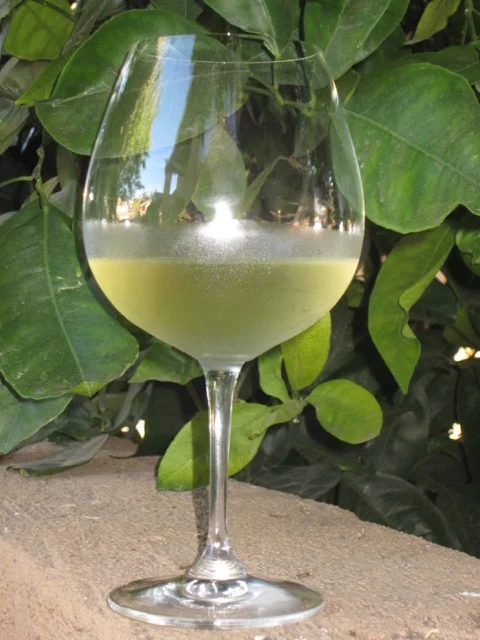
Last time we took a quick look at one of the characteristics of wine, its body. A wine’s body is simply based on how it feels in your mouth. And a wine’s body is affected by its alcohol level, tannin, acidity and sweetness. And each plays a role. So...

July 9, 2016
It’s a question that constantly comes up. “What’s a good wine to buy?” Or there are the related questions of “What wine should I drink?” or “What wine do you recommend?” These are all great questions that are well intended whether from someone who ...
March 5, 2016
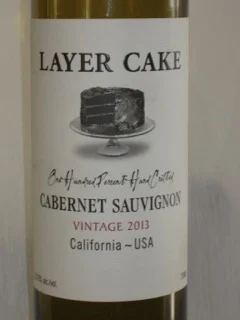
Last time we addressed some general guidelines on how long wines can age, noting that rosé should be consumed immediately after bottling while still bright, fruity and fresh, most white wines are typically best within a couple of years of bottling, a...
May 9, 2015
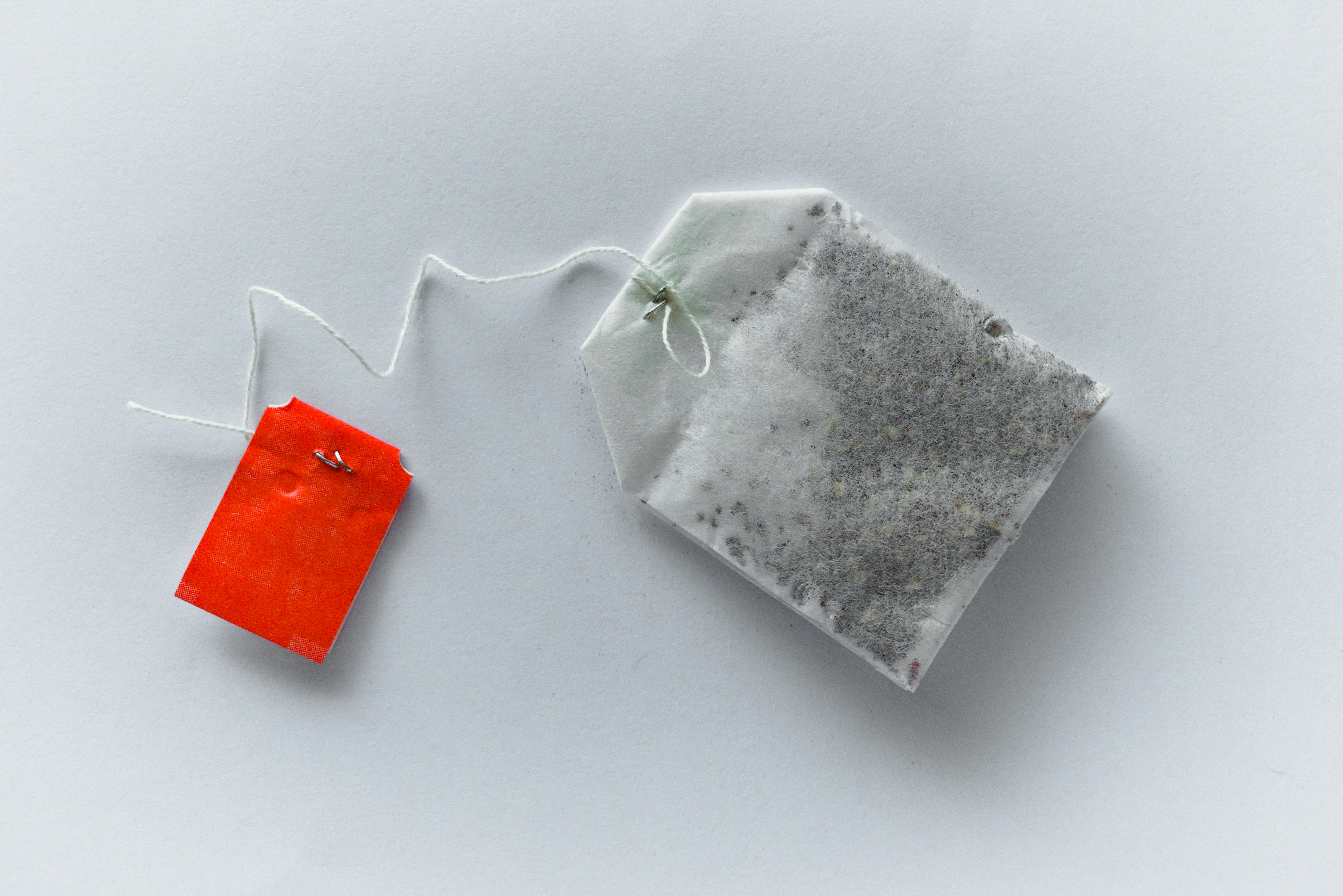
Last time, the topic of dry wines was addressed. It was discussed that ‘dry’ wines are technically those with no residual sugar. But, more often than not, wine can cause a drying sensation in the mouth that people associate with ‘dry’ wine. This sens...
← All posts