The Twenty Wine Regions of Italy
1. Abruzzo
Located east of Rome on the Adriatic Sea, this region is Italy’s fifth most prominent wine region.
Abruzzo is home to two DOCGs – Montepulciano d’Abruzzo Colline Teramane and Terre Tollesi/Tullum. There are also seven DOC wine designations - Montepulciano d’Abruzzo and Cerasuolo d’Abruzzo are the most notable red wine appellations while, and the Trebbiano d’Abruzzo and the Controguerra wine appellations are the most notable white wine regions.
Montepulciano (red) and Trebbiano (white) are the most notable grapes of Abruzzo. Other Italian grape varieties include Sangiovese, Passerina, Pecorino and Cococciola while Chardonnay, Cabernet Sauvignon and Merlot are also grown.
2. Basilicata
A very small region in southern Italy that seems best known for it Aglianico, but Primitivo, Sangiovese and Montepulciano also do well.
3. Calabria
On the southern peninsula of Italy, this region uses Gaglioppo and Greco Nero grapes for its reds, and makes their whites predominantly from Greco Bianco, Trebbiano Toscano and Malvasia Bianca.
4. Campania
Located south of Naples on Italy’s west coast, this region’s volcanic soils and long, warm growing season produce powerful reds and minerally, aromatic whites. Campania is home to four DOCGs: Taurasi, built on the Aglianico grape and often called the “Barolo of the South” for its structure and long aging potential; Aglianico del Taburno, a more approachable Aglianico-based red; and two prized whites, Fiano di Avellino and Greco di Tufo. Other notable native grapes include Falanghina, Piedirosso, Coda di Volpe and Asprinio d’Aversa, while small amounts of Cabernet Sauvignon and Chardonnay are also grown.
5. Emilia-Romagna
Located in northern Italy, this is one of the country’s most prolific wine regions. Producing both whites and reds, the dominant varieties are Malvasia and Lambrusco, Trebbiano, Barbera, Bonarda and Sangiovese.
6. Friuli-Venezia-Giulia
Bordering Austria, more than 75% of the production of this region is white wine, primarily Pinot Grigio, Sauvignon Blanc, Ribolla Gialla and Friulano. Red wines include Merlot, Refosco and Schioppettino.
7. Lazio
Located in central Italy, this region is home to the ancient capital city of Rome. The region’s reputation is mainly based on its white wines, Trebbiano and Malvasia di Candia. Red wines are made from Sangiovese, Cesanese, Montepulciano, Merlot and Nero Buono di Cori.
8. Liguria
A small coastal region running along Italy’s Mediterranean coast between the French border and Tuscany. Known as the Italian Riviera, this region is known for its wines made from the local white grape Pigato. Another notable white is Vermentino. The reds include Rossese, Sangiovese and Ciliegiolo.
9. Lombardy
Located at the heart of northern Italy, this is one of Italy’s largest and most populous regions. Franciacorta DOCG, along Lake Iseo, is one of the premier metodo classico (traditional method) wines from Italy made from Chardonnay, Pinot Bianco and Pinot Nero. For red wines, Nebbiolo is the main grape in Valtellina Rosso DOC, Valtellina Superiore DOCG and Sforzato di Valtellina DOCG.
10. Le Marche (mar-Kay)
Bordering the Adriatic Sea, this region’s reds include Montepulciano and Sangiovese, while the main white varieties include Malvasia, Trebbiano and Verdicchio.
11. Molise
One of the nation’s smallest wine regions. The white blends comprise mainly Trebbiano Toscano with smaller portions of Bombino, while the reds use Montepulciano combined with a little Aglianico and some Trebbiano Toscano.
12. Piedmont (peh-ah-MON-tey)
Located in northwest Italy, and bordering Switzerland and France, this 6th highest production region of Italy is famous for its reds made from Nebbiolo, the black grape that produces the region’s most famous wines: Barolo DOCG and Barbaresco DOCG. Two other well known red grapes from this region include Barbera and Dolcetto. Piedmont white wines are less common, but include Cortese and Arneis grapes. The former is the sole grape in Gavi DOCG, while the latter thrives in Roero DOCG. And don’t forget the gently fizzy and sweet sparkling wine Moscato d’Asti, made in the Asti DOCG.
Piedmont has 60 sub-regions. Here are all 60 current denominations, in alphabetical order (DOCG-classified denominations are noted; the rest are DOC):
- Alba: This DOC sits at the heart of Piedmont’s Langhe hills, serving as the gateway town to two of Italy’s most prestigious red wine appellations, Barolo and Barbaresco, both built on the Nebbiolo grape.
- Albugnano: A small DOC zone in northern Piedmont, on the border of the Monferrato hills, producing light, aromatic reds from the Nebbiolo grape.
- Alta Langa (DOCG): Traditional-method sparkling wine made from Chardonnay and/or Pinot Nero grown in the hills of Cuneo, Asti, and Alessandria, aged at least 30 months on the lees.
- Asti (DOCG): Sweet, aromatic Moscato bianco wine from Asti, Alessandria, and Cuneo provinces, made in fully sparkling (Asti Spumante) and softly fizzy (Moscato d’Asti) styles.
- Barbaresco (DOCG): Elegant, structured red made from 100% Nebbiolo around the village of Barbaresco in the Langhe near Alba, ranked alongside Barolo as Piedmont’s finest Nebbiolo.
- Barbera d’Alba: Dry red from Barbera grapes grown in the Langhe and Roero hills around Alba, generally fruitier and earlier-drinking than Barbera d’Asti.
- Barbera d’Asti (DOCG): Full-bodied, food-friendly red from Barbera grapes grown across Asti province and part of Alessandria, known for bright acidity and dark-fruit character.
- Barbera del Monferrato: Everyday dry (occasionally lightly frizzante) red from Barbera grapes grown across the Monferrato hills of Asti and Alessandria provinces.
- Barbera del Monferrato Superiore (DOCG)
- Barolo (DOCG): Winemaking has been going on in Barolo since the 1830s. Located on a high plateau, Barolo wines age very well. The Barolo denomination is made up of 11 villages:
- Barolo: The namesake village at the heart of the denomination, home to 37 official MGAs (Menzioni Geografiche Aggiuntive) — more than any other Barolo commune — including part of the celebrated Cannubi cru.
- Castiglione Falletto: Although the smallest of Barolo’s core townships, this village has 20 Crus almost entirely owned by one family.
- Cherasco: Only a small portion of Cherasco is dedicated to Barolo production amounting to less than five acres.
- Diano d’Alba: Having only 35 acres of production, this is the second smallest producer of Barolo.
- Grinzane Cavour: Today the village has eight Crus.
- La Morra: Home to the largest area of Barolo vines ranging in altitude from 650 - 1640 feet above sea level.
- Monforte d’Alba: Known simply as Monforte, this village has 11 Crus producing wines that range from “perfumed and complex” to “full-bodied with gripping tannins.”
- Novello: Before the 1990s, this village remained little known with some producers sourcing grapes from here. Today this has changed and has several good vineyards and one of denomination’s premier vineyard sites, Ravera.
- Roddi: Having just 57 acres of vines, this village has only one Cru.
- Serralunga d’Alba: Home of some of the most sought-out Barolos this village’s vineyards are located at altitude with southern exposure.
- Verduno: This village is located in the northern edge of the denomination and remains little known to all but the most passionate Barolo lovers. There are 12 official Crus in this village producing excellent wine.
- Boca: Nebbiolo-based red blended with Vespolina and/or Uva Rara, grown on volcanic soils around Boca in Novara province, part of the small Alto Piemonte tradition.
- Brachetto d’Acqui (Acqui) (DOCG): An aromatic, lightly sparkling sweet red from Brachetto grapes around Acqui Terme in Alessandria province, prized for its rose-petal and strawberry perfume.
- Bramaterra: Structured Nebbiolo red blended with Croatina, Vespolina, and/or Uva Rara, from terraced vineyards around Masserano in the Biella/Vercelli area.
- Calosso: Rare red made from the native Gamba Rossa grape, grown almost exclusively around Calosso, Castagnole delle Lanze, and Costigliole d’Asti in Asti province.
- Canavese: Broad catch-all denomination for red, white, and rosé wines (Nebbiolo, Barbera, Bonarda, and others) from the Canavese district north of Turin.
- Canelli (DOCG): Piedmont’s newest DOCG (recognized 2023), a Moscato bianco wine from a historic sub-zone spanning Asti and Cuneo provinces, birthplace of Italy’s metodo classico tradition.
- Carema: Elegant, mountain-grown Nebbiolo red (minimum 85%) from steep terraced vineyards around the alpine village of Carema, on the border with Valle d’Aosta.
- Cisterna d’Asti: Red wine made mainly from Croatina (locally called Bonarda), grown around Cisterna d’Asti on the Roero/Asti border in Cuneo and Asti provinces.
- Colli Tortonesi: Covers reds from Barbera and Dolcetto and dry whites from the native Timorasso grape, produced around Tortona in eastern Alessandria province.
- Collina Torinese: Red and white wines, most notably from the Freisa grape, produced in the hills immediately southeast of the city of Turin.
- Colline Novaresi: Flexible catch-all denomination for Nebbiolo, Vespolina, Croatina, and other varietal wines from the hills around Novara in the Alto Piemonte zone.
- Colline Saluzzesi: Covers reds from the rare native Pelaverga grape and wines from the Quagliano grape, grown in the hills around Saluzzo in Cuneo province.
- Cortese dell’Alto Monferrato: Dry white from Cortese grapes grown across the broader Monferrato hills of Alessandria and Asti, a simpler counterpart to the more prestigious Gavi.
- Coste della Sesia: Catch-all denomination for Nebbiolo-, Vespolina-, and Croatina-based wines from vineyards along the Sesia river in the Alto Piemonte (Biella/Vercelli) zone.
- Diano d’Alba (Dolcetto di Diano d’Alba) (DOCG): A dry red from 100% Dolcetto grown on the hill of Diano d’Alba near Alba, softer and more approachable than Barolo or Barbaresco.
- Dogliani (DOCG): Robust, dry Dolcetto-based red from the hills around Dogliani in Cuneo province, historically regarded as one of the most serious styles of Dolcetto.
- Dolcetto d’Acqui: Dry red from Dolcetto grapes grown around Acqui Terme in Alessandria province, generally soft and fruity for early drinking.
- Dolcetto d’Alba: Dry, fruity red from Dolcetto grapes grown in the Langhe hills around Alba, traditionally the everyday wine poured alongside Barolo and Barbaresco.
- Dolcetto d’Asti: Dry red from Dolcetto grapes grown across Asti province, generally softer and less tannic than Dolcetto from the Barolo/Barbaresco zone.
- Dolcetto di Ovada: Everyday-style dry red from Dolcetto grapes grown around Ovada in Alessandria province, the base-level counterpart to the DOCG Dolcetto di Ovada Superiore.
- Dolcetto di Ovada Superiore (Ovada) (DOCG): An age-worthy Dolcetto red from selected hillside vineyards around Ovada in Alessandria province, more structured than the basic Dolcetto di Ovada DOC.
- Erbaluce di Caluso (Caluso) (DOCG): A white wine from the native Erbaluce grape grown around Caluso in the Canavese area north of Turin, made dry, sparkling, or as a sweet passito.
- Fara: Small-production Nebbiolo-based red blended with Vespolina and/or Uva Rara, from vineyards around Fara Novarese, another historic Alto Piemonte zone.
- Freisa d’Asti: Red wine, still or lightly sparkling, from the native Freisa grape grown across Asti province, known for its brambly, slightly tannic character.
- Freisa di Chieri: Freisa-grape red from vineyards around Chieri, just southeast of Turin, historically one of the grape’s traditional homes.
- Gabiano: Small Barbera-based red blended with Freisa and/or Grignolino, from hills around Gabiano in the Monferrato Casalese area of Alessandria province.
- Gattinara (DOCG): Nebbiolo-based red (locally called Spanna) from hillside vineyards on volcanic soil around Gattinara in Vercelli province, part of the Alto Piemonte Nebbiolo tradition.
- Gavi (Cortese di Gavi) (DOCG): A crisp, dry white made from Cortese grapes around the town of Gavi in southeastern Alessandria province, one of Piedmont’s most internationally known whites.
- Ghemme (DOCG): Structured Nebbiolo-based red from vineyards around Ghemme in Novara province, traditionally blended with small amounts of Vespolina and/or Uva Rara.
- Grignolino d’Asti: Pale, light-bodied, tannic red from the Grignolino grape grown across Asti province, valued for perfume and food-pairing versatility over power.
- Grignolino del Monferrato Casalese: Grignolino-grape red from vineyards around Casale Monferrato in Alessandria province, similar in style to Grignolino d’Asti but from a distinct zone.
- Langhe: Flexible catch-all denomination covering varietal wines (Nebbiolo, Arneis, Favorita, Chardonnay, and others) from the Langhe hills around Alba.
- Lessona: Elegant, sandy-soil Nebbiolo-based red (minimum 85%) from vineyards around Lessona in Biella province, one of the smallest Alto Piemonte appellations.
- Loazzolo: Rare sweet Moscato bianco passito wine made from dried grapes in the tiny village of Loazzolo in Asti province.
- Malvasia di Casorzo d’Asti (Casorzo): An aromatic, sweet, lightly sparkling red or rosé from Malvasia grapes grown around Casorzo, on the Asti/Alessandria border.
- Malvasia di Castelnuovo Don Bosco: Sweet, perfumed sparkling red from Malvasia grapes grown around Castelnuovo Don Bosco in Asti province, similar in style to Malvasia di Casorzo.
- Monferrato: Broad catch-all denomination for Bianco, Rosso, Chiaretto/Ciaret, Dolcetto, and Freisa wines produced across the wider Monferrato hills of Asti and Alessandria.
- Nebbiolo d’Alba: 100% Nebbiolo red from vineyards in the Roero and Langhe around Alba, outside the Barolo and Barbaresco zones, typically lighter and earlier-drinking.
- Nizza (DOCG): Premium single-territory Barbera red from selected hillside vineyards around Nizza Monferrato in Asti province, the top tier of Barbera production.
- Piemonte: The region’s broadest catch-all denomination, covering varietal wines (Barbera, Chardonnay, Grignolino, Bonarda, Moscato, and more) produced anywhere across Piedmont.
- Pinerolese: Covers red, rosé, and varietal wines including the rare local Doux d’Henry and Ramìe blends, from the hills around Pinerolo, southwest of Turin.
- Roero (DOCG): Covers red Roero (Nebbiolo) and white Roero Arneis, from the sandy hills left of the Tanaro river in Cuneo province; the red is softer than Barolo, the white crisp and floral.
- Rubino di Cantavenna: Barbera-based red blended with Grignolino and Freisa, from vineyards around Cantavenna in the Monferrato Casalese area of Alessandria province.
- Ruchè di Castagnole Monferrato (DOCG): Aromatic, spicy red made from the rare native Ruché grape around Castagnole Monferrato in Asti province, valued for its perfumed, peppery character.
- Sizzano: Nebbiolo-based red blended with Vespolina and/or Uva Rara, from vineyards around Sizzano in Novara province, part of the historic Alto Piemonte tradition.
- Strevi: Sweet Moscato bianco passito wine made from air-dried grapes in the village of Strevi near Acqui Terme in Alessandria province, valued for its longevity.
- Terre Alfieri (DOCG): Arneis (white) and Nebbiolo (red) wines from a zone straddling Asti and Cuneo provinces near Alba, elevated to DOCG for the 2020 vintage.
- Valli Ossolane: Alpine red wines built around the Nebbiolo ecotype locally called Prunent, grown in the Ossola valleys of Verbano-Cusio-Ossola province, northernmost Piedmont.
- Valsusa: Light, mountain-grown red from the native Avanà grape, blended with Barbera and other local varieties, produced in the Susa Valley west of Turin.
- Verduno Pelaverga (Verduno): Also called simply Verduno; a light, peppery, aromatic red made from the Pelaverga Piccolo grape, grown around the village of Verduno inside the Barolo production zone.
13. Puglia
Located in the far south-eastern corner of the ‘boot’ of Italy, the southern regions of Puglia produce wines that are made from grape varieties unique to the area. Puglian grapes used in the production of red wines are Sangiovese, Primitivo, Negroamaro, Nero di Troia, Bombino Nero, and Montepulciano, while Trebbiano Toscano, Bombino Bianco, Verdeca and even some Chardonnay comprise the white wine grapes.
14. Sardegna (Sardinia)
An island off the west coast of Italy, this region’s red include Cannonau (Grenache), Carignano (Carignan), Cabernet Sauvignon and Bobal. But, the whites seem to prevail with Torbato, Semidano, and Nuragus.
15. Sicily
The largest island in the Mediterranean, this region has been famous for sweet Muscats, and fortified Marsala. But, the island wines now include regional red varietals such as Nero d’Avola, Frappato, and Perricone and white varietals such as Catarratto, Grillo, Grecanico, Inzolia. Other popular grapes grown include Chardonnay, Sauvignon Blanc, and Cabernet Sauvignon.
16. Trentino-Alto Adige
The most northern region of Italy. Many grapes are grown in this sunny, high-elevation region. Red include Pinot Nero, Schiava and Lagrein. For whites, Pinot Grigio dominates. Chardonnay is also popular, especially as a base for the traditional-method sparkling wine from Trento DOC. Other varieties from this region include Gewürztraminer, Kerner, Müller-Thurgau, Pinot Blanc, Sauvignon Blanc, Riesling, and Teroldego.
17. Tuscany
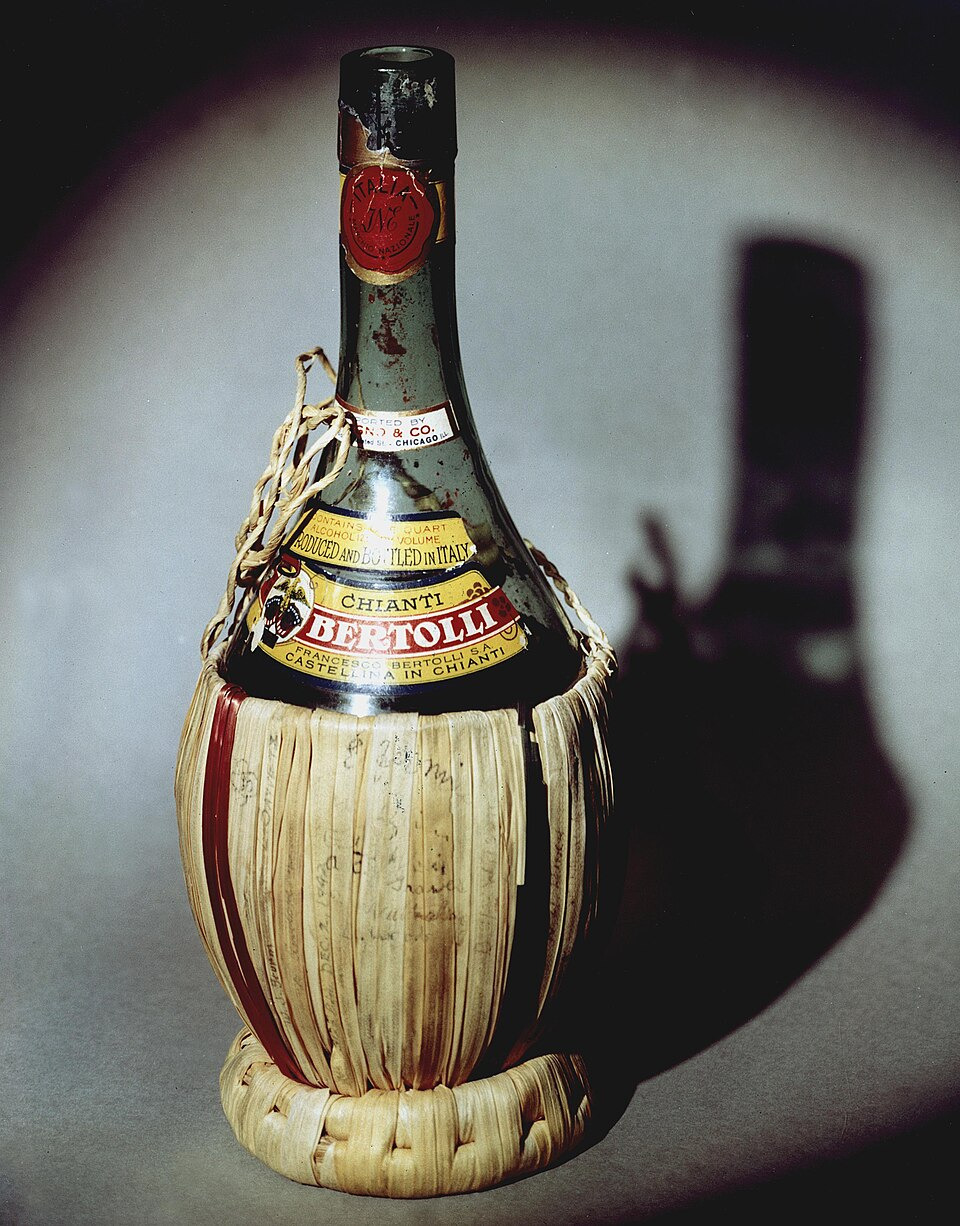
This region is most famous for Sangiovese-based wines such as Chianti, Chianti Classico, Vino Nobile di Montepulciano and Brunello di Montalcino DOCGs. While Sangiovese is the star of Tuscan wines and accounts for two-thirds of all plantings, there are also white wines being produced with Trebbiano (Ugni Blanc), Vermentino, and Vernaccia. Chardonnay, Sauvignon Blanc and Viognier are planted in very small quantities.
Here are the sub-regions of Tuscany:
- Bolgheri (DOC, including Bolgheri Sassicaia DOC): A small region on the western side of Tuscany. The Bolgheri Rosso and Bolgheri Superiore wines are labeled without the mention of grapes. But, the ‘Super Tuscan’ Superiore includes Cabernet Sauvignon, Cabernet Franc and Merlot. Bolgheri Rosso is produced with Syrah and the traditional Tuscan Sangiovese. Either can comprise up to 50% of the wine, as can a maximum 30% of Petit Verdot. Rosso must be aged for at least ten months, while the superiore must mature for 24 months before release.
- Brunello di Montalcino (DOCG): All Brunello di Montalcino wine is made exclusively from Sangiovese grapes.
- Carmignano (DOCG): Wines of this region are dry reds based on the Tuscan blend of Sangiovese (at least 50%), Canaiolo Nero (up to 20%), Cabernet Sauvignon and Cabernet Franc (10–20% each).
- Chianti (DOCG): Famous sub-region of Tuscany. Local laws require wines to have a minimum of 70% Sangiovese (and 80% for the more prestigious Chianti Classico DOCG). The native varieties Canaiolo and Colorino are also permitted, as are the classics Cabernet Sauvignon and Merlot to a limited degree. Chianti has seven sub-zones. Vin Santo del Chianti — a dessert wine that can be either intensely sweet “amabile” style or an almost completely dry “secco”, similar in style to fino sherry, and most often made from Trebbiano and Malvasia Bianca — is also produced here.
- Colli Aretini - Located in the hills surrounding the city of Arezzo to the east.
- Colli Fiorentini - Meaning the “hills of Florence”, surrounding the city.
- Colli Senesi - Meaning the “hills of Siena”, making it the largest of the sub-zones geographically.
- Colline Pisane - Located in the hills of Pisa near the coast.
- Montalbano - Located northwest of Florence near the town of Vinci.
- Montespertoli - The smallest and newest sub-zone, located just southwest of Florence.
- Rufina - Located northeast of Florence in the Apennine foothills; often produces some of the most structured and long-lived wines of the sub-zones.
- Chianti Classico (DOCG): The most highly regarded wines come from this zone - Look for the black rooster on the label. It became a separate DOCG in 1996. Laws require wines to have a minimum of 80% Sangiovese. Bottles of Chianti Classico are marked with the DOCG’s black cockerel logo.
- Annata (Your basic Chianti): Aged for a minimum of 12 months with 12%+ ABV (Drink now)
- Riserva: Aged for a minimum of 24 months with 12.5% ABV (can be aged)
- Gran Selezione: Aged for a minimum of 30 months with 13%+ ABV (very agable!)
- Elba (DOC/DOCG for Aleatico Passito)
- Maremma Toscana (DOC): The focus here is on both dry and sweet wines. These are produced from a wide array of grapes, including the local, traditional varieties and the more well known international varieties.
- Montecucco (DOC) - Located in the southern Tuscan hills near Mount Amiata; produces robust, earthy, Sangiovese-based reds with a rustic character, acting as a neighbor to Brunello.
- Morellino di Scansano (DOCG) - Situated in the southern coastal Maremma; features juicy, fruit-forward Sangiovese (locally called Morellino) meant for easy, vibrant, and youthful drinking.
- Rosso di Montalcino (DOC) - The younger, fresher, and more affordable sibling to famous Brunello di Montalcino; offers bright cherry fruit and softer tannins ready to enjoy immediately.
- Rosso di Montepulciano (DOC) - The lively, everyday counterpart to Vino Nobile di Montepulciano; a lighter, food-friendly red showcasing approachable Sangiovese fruit.
- Sant’Antimo (DOC) - Encircling the town of Montalcino; a flexible appellation that allows winemakers to craft both whites and reds using international grapes like Chardonnay, Cabernet, and Merlot.
- Suvereto (DOCG) - Found on the warm Tuscan coast; specializes in big, opulent, full-bodied reds made primarily from international powerhouses like Merlot, Cabernet Sauvignon, and Cabernet Franc.
- Val di Cornia (DOC/DOCG) - Neighboring Suvereto on the coast; crafts rich, structured reds that blend traditional local Sangiovese with international varieties, shaped by Mediterranean sea breezes.
- Vernaccia di San Gimignano (DOCG) - Tuscany’s most famous white wine, grown around the medieval towers of San Gimignano; crisp, dry, and refreshing with subtle citrus and almond notes.
- Vino Nobile di Montepulciano (DOCG): One of Italy’s classic red wines, it comes from the vineyards that surround Montepulciano, 25 miles (40km) southeast of Siena, southeastern Tuscany, with Sangiovese as the key grape variety. Its red wines were often labeled as Chianti (the town lies within the Chianti Colli Senesi sub-zone); with the arrival of DOC regulation in the 1960s it regained its stature, and in 1980 was awarded the DOCG classification. According to the DOCG rules, wines labeled Vino Nobile di Montepulciano must come from vineyards on the hills (820–1968ft in altitude) surrounding Montepulciano.
18. Umbria
The only land-locked region in central Italy is bordered by Tuscany, Marche and Lazio. The most popular white grapes in this region are Sagrantino, Trebbiano, Grechetto and Malvasia. Their reds include Sangiovese, Montefalco Sagrantino, Torgiano Rosso Riserva, Montefalco Rosso, Rosso di Torgiano, Colorino, Cilegiolo and Canaiolo.
19. Valle d’Aosta
Italy’s smallest and least populous region that shares borders with France and Switzerland. This Alpine region produces very little wine. Producing both red and white wines are made here from a selection of both native and introduced grape varieties, the most important of which is Picotendro, the local form of Nebbiolo.
20. Veneto
Located in northern Italy, this region produces wines such as Pinot Grigio, Valpolicella, Amarone, Soave and Prosecco.
Soave - This wine is produced from grapes grown around the medieval village of Soave. This white wine is made of Garganega (“gar-GAN-nehgah”) grapes.
Valpolicella - Just North of Verona, Valpolicella DOC and Amarone della Valpolicella DOCG are both based largely on black grape Corvina The region of Valpolicella includes:
- Classico - Defined by five comuni: Fumane, Marano di Valpolicella, Negrar di Valpolicella, San Pietro in Cariano, and Sant’Ambrogio di Valpolicella.
- Valpantena - Located to the East of the Classico zone, this zone makes higher quality wines
- Est - Literally meaning ‘East’ this zone is the newest and is located next to the Soave wine region