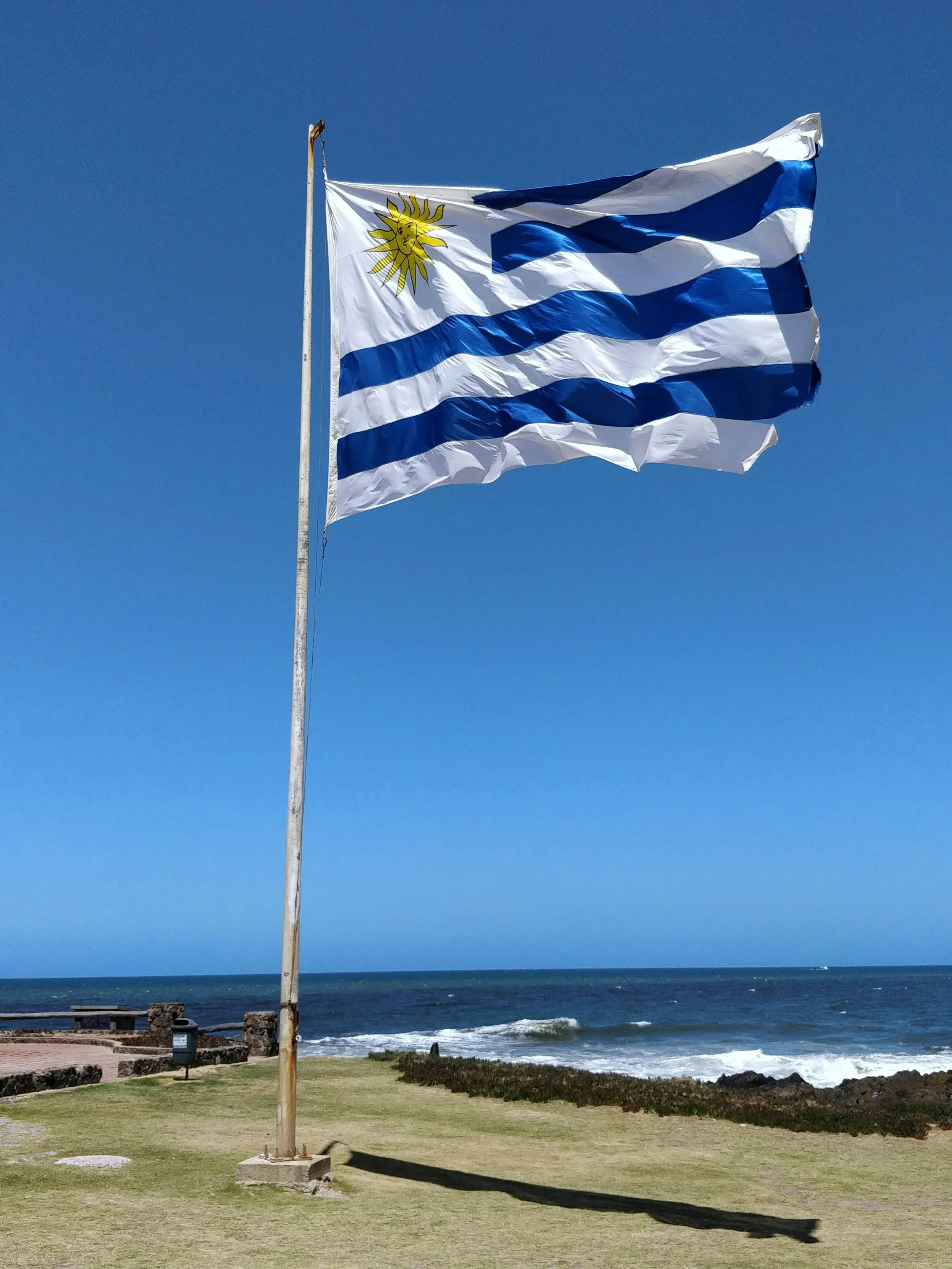
Uruguay is home to a proud winemaking tradition in an unusual location, and a far cry from the desert-and Andes-dominated landscapes associated with most vineyard regions in the South America continent.
Uruguay means “river of the painted birds” i...
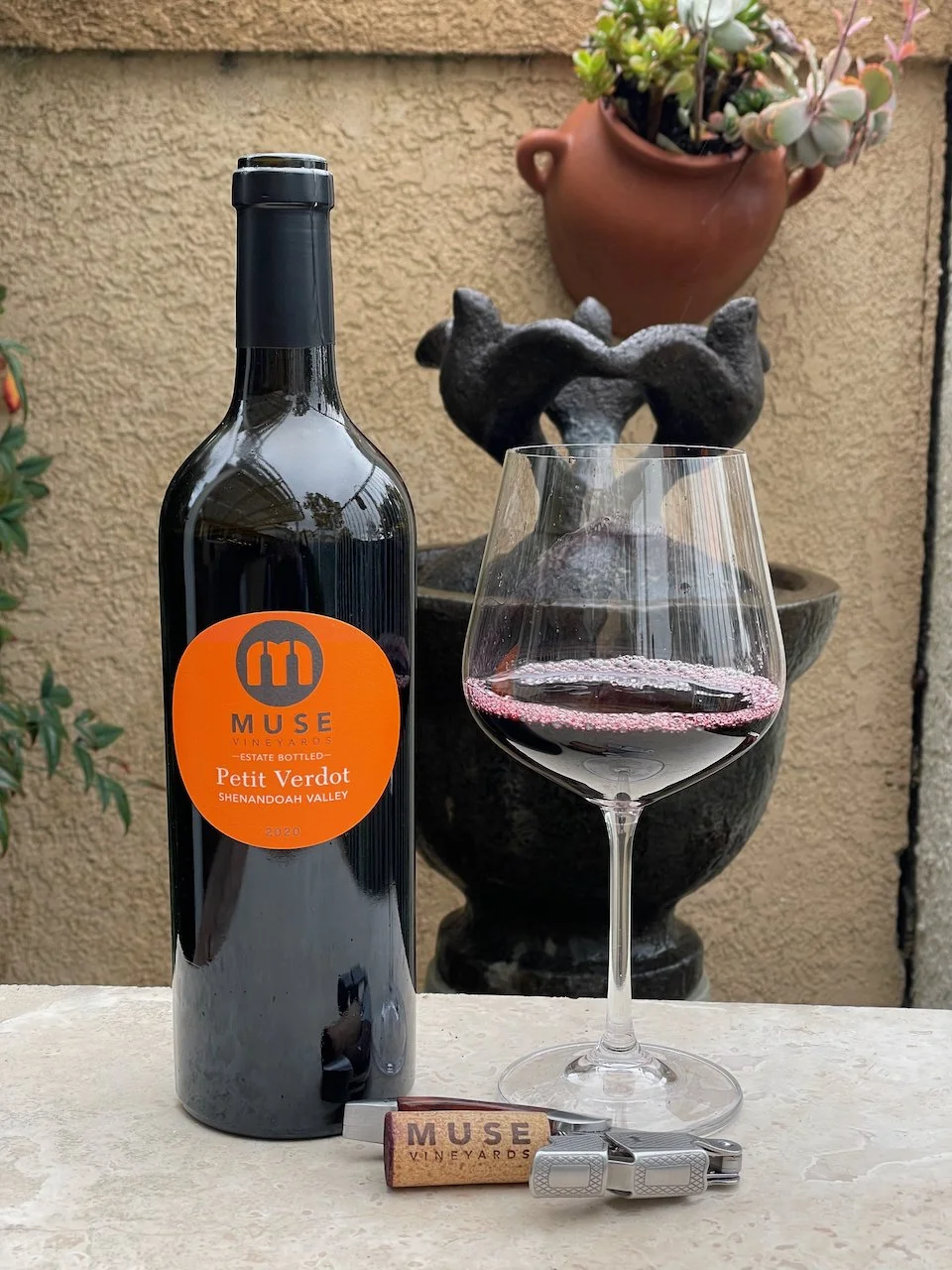
2020 Muse Vineyards Petit Verdot ($41)
Muse Vineyards is located in the heart of the Shenandoah Valley, just 90 minutes from Washington DC.
Muse Vineyards sits at an elevation of 1,000 feet and rests on Virginia shale and rocky red clay soils. The...
Tannat is a red-wine grape that originally came from the Basque country, on the border between France and Spain. It is known for producing full-bodied wines with strong tannin and acidity. Today, it is Uruguay’s flagship grape amounting for 27% of it...
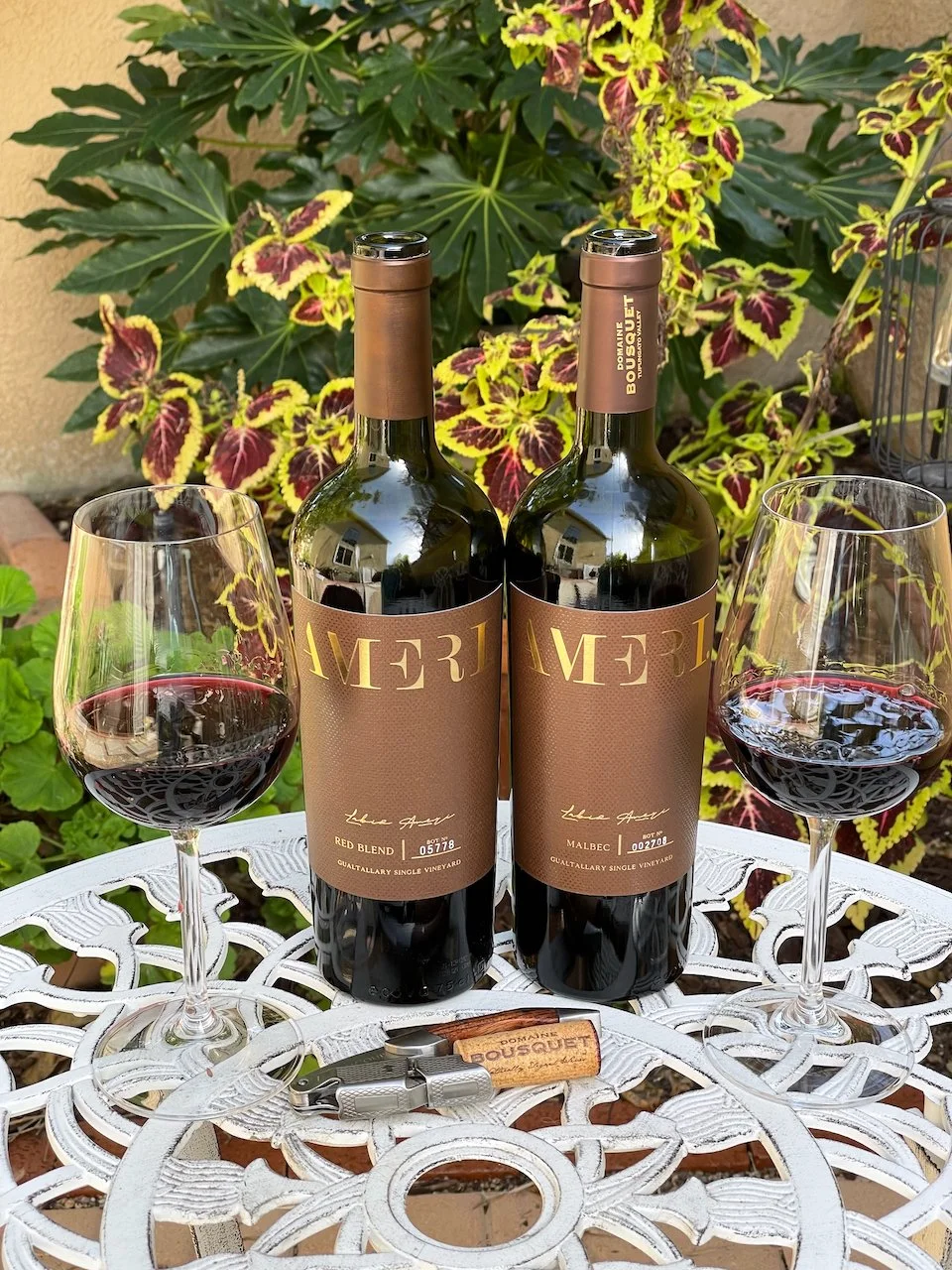
The fruit for the Bousquet Estate Vineyards was originally planted in 1998 on virgin terrain in the Uco Valley’s Alto Gualtallery zone at an altitude of about 4,125 feet. With its high-altitude wines recognized for their freshness, vibrant aromatics ...
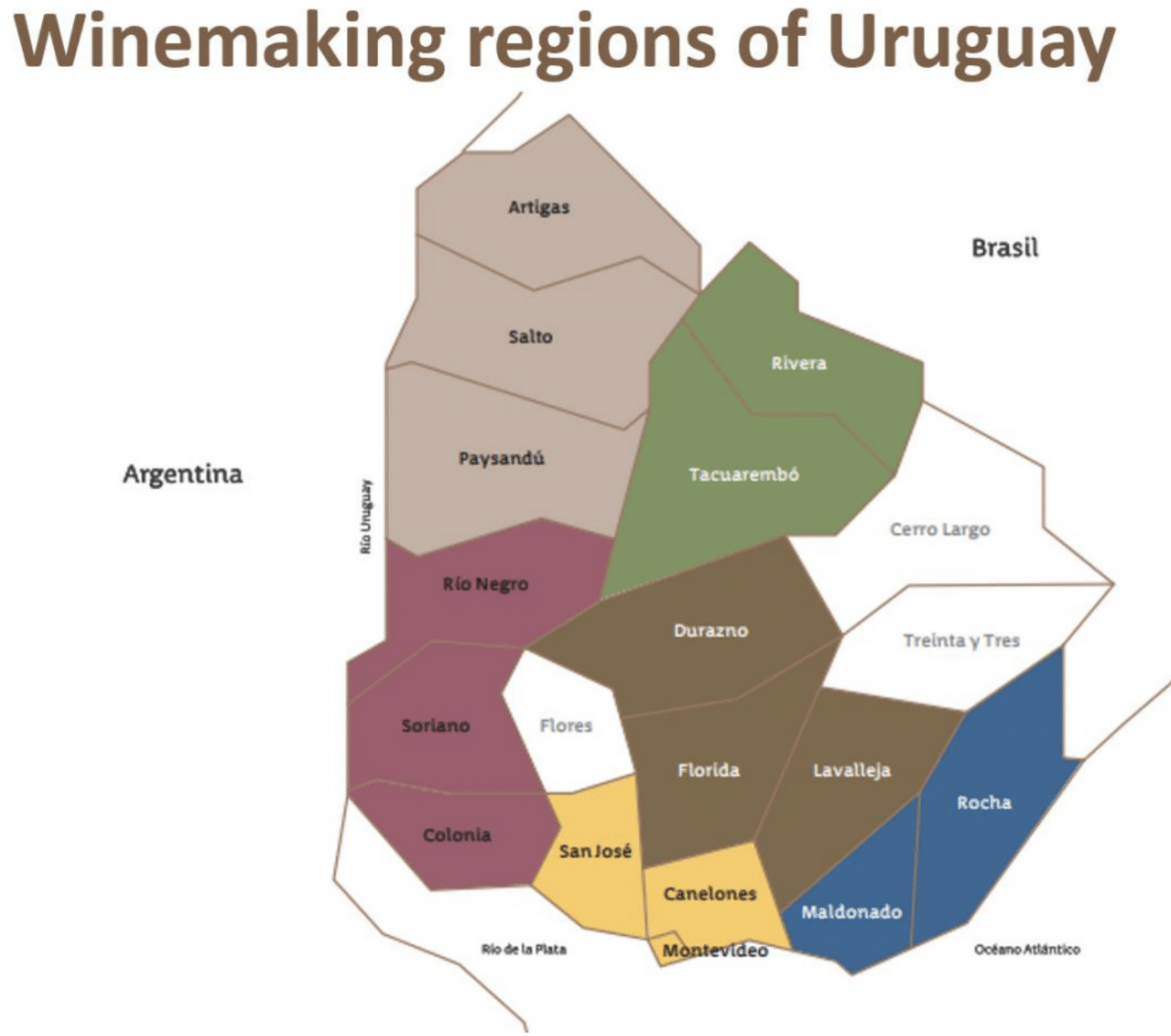
Continuing with the theme of wines of Uruguay, here’s a listing of their wine producing regions and the overall wine grape planting percentages of each sub-region (which are also knows as “Departments”):
Northern Riverside (light brown regions): Ar...
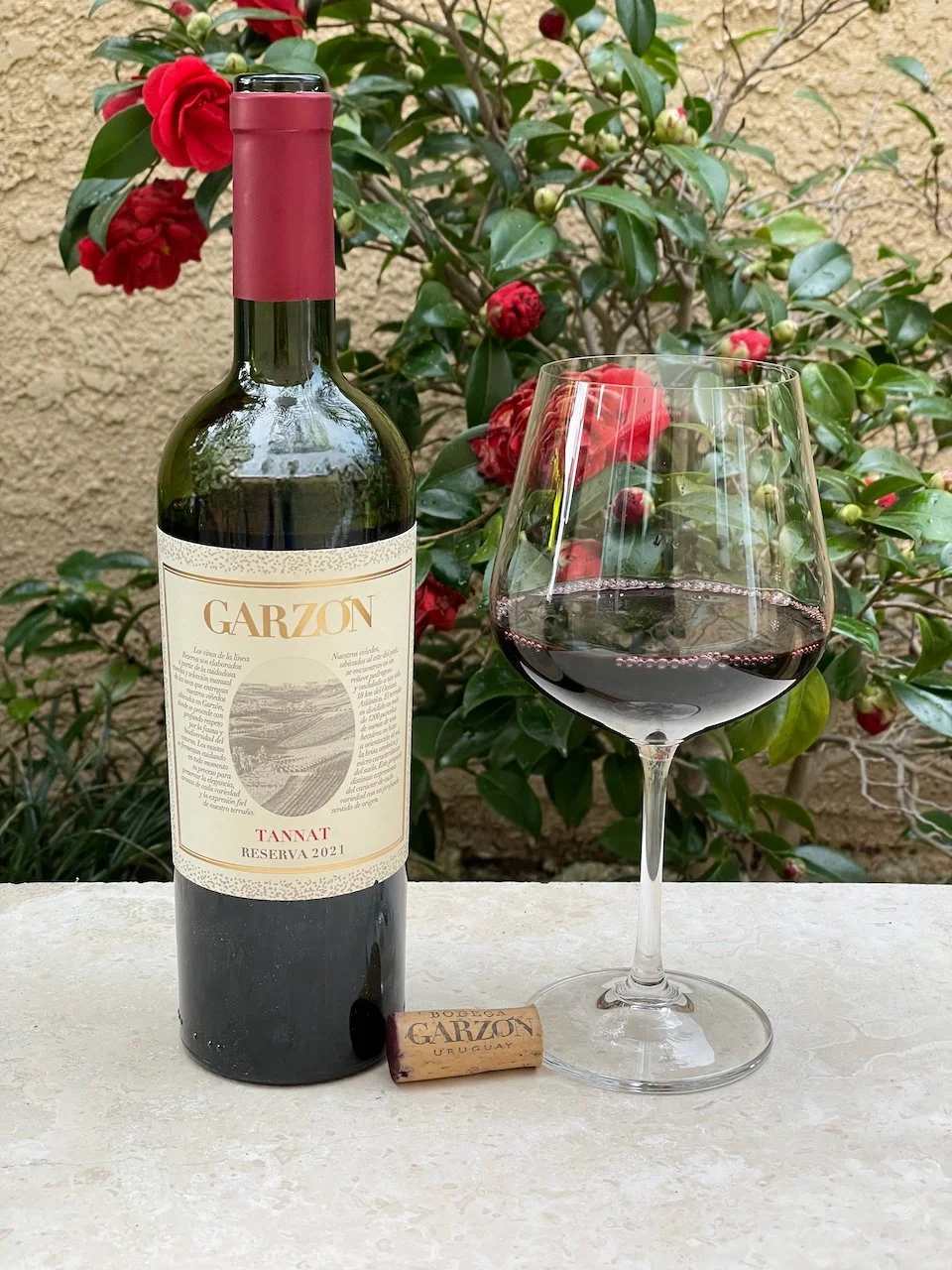
2021 Bodega Garzón Tannat Reserva ($18)
Located in the hills eleven miles from the Atlantic Ocean, Bodega Garzón is close to Punta del Este, La Barra and Jose Ignacio in the Maldonado region of southern Uruguay.
In 2018, they were named the New Wo...
Tannat (tahn-naht) is a very old grape variety. It is believed to have originated in the Basque region of northwest Spain, as well as a centuries-old association with Madiran in southwest France.
In the late 19th century Tannat was taken to Uruguay ...
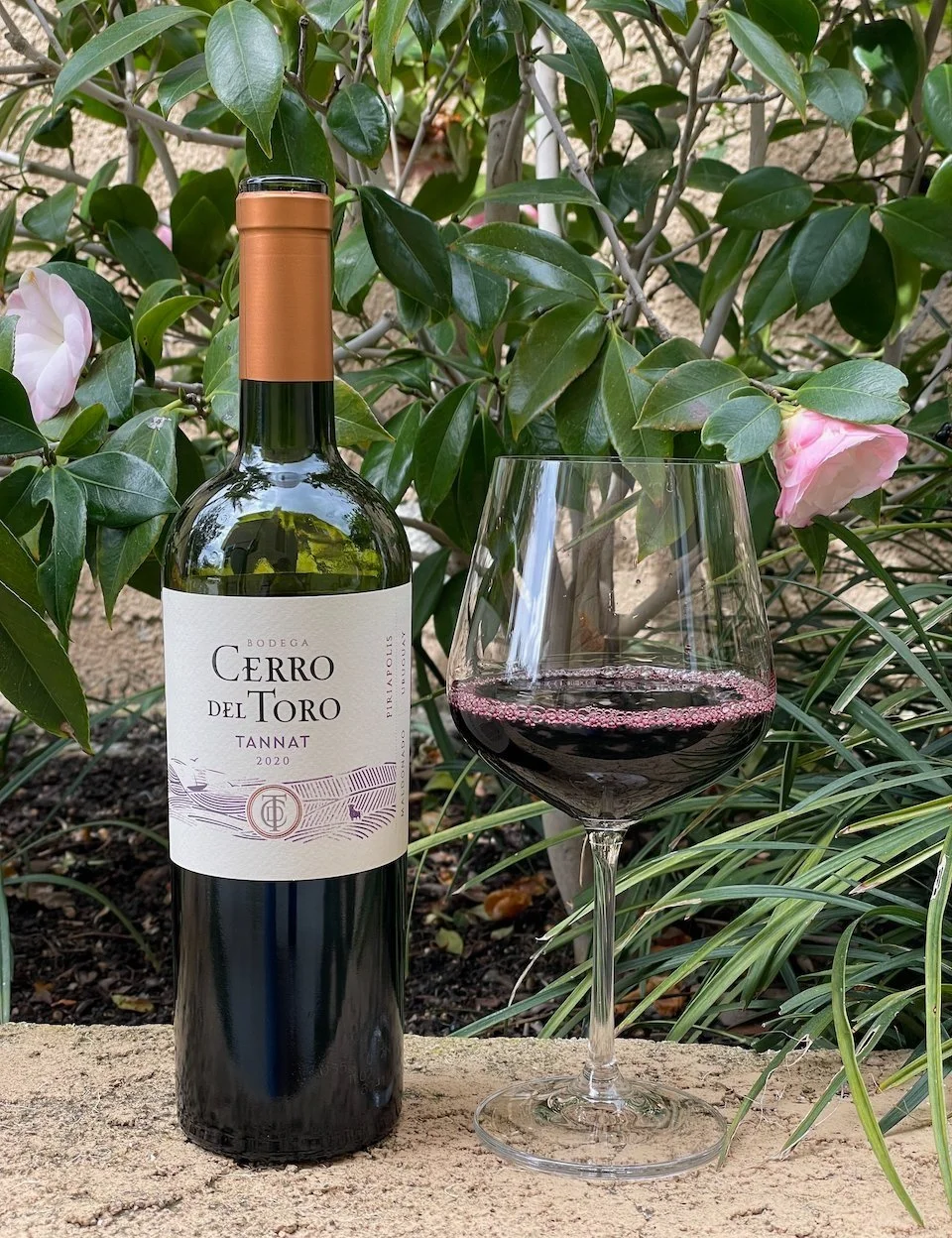
2020 Bodega Cerro del Toro Tannat ($25)
Bodega Cerro del Toro is a Uruguayan wine project that was born in 2016 with the aim of producing high-quality wines in a privileged location on the Maldonado coast of Uruguay.
The grapes for this Tannat were...
The major characteristics of a wine include alcohol level, acidity and pH, residual sugar and its level of tannin.
Tannin is manifested in food and drink as bitterness and astringency. Examples include strong tea or coffee, dark chocolate and, of ...
 general