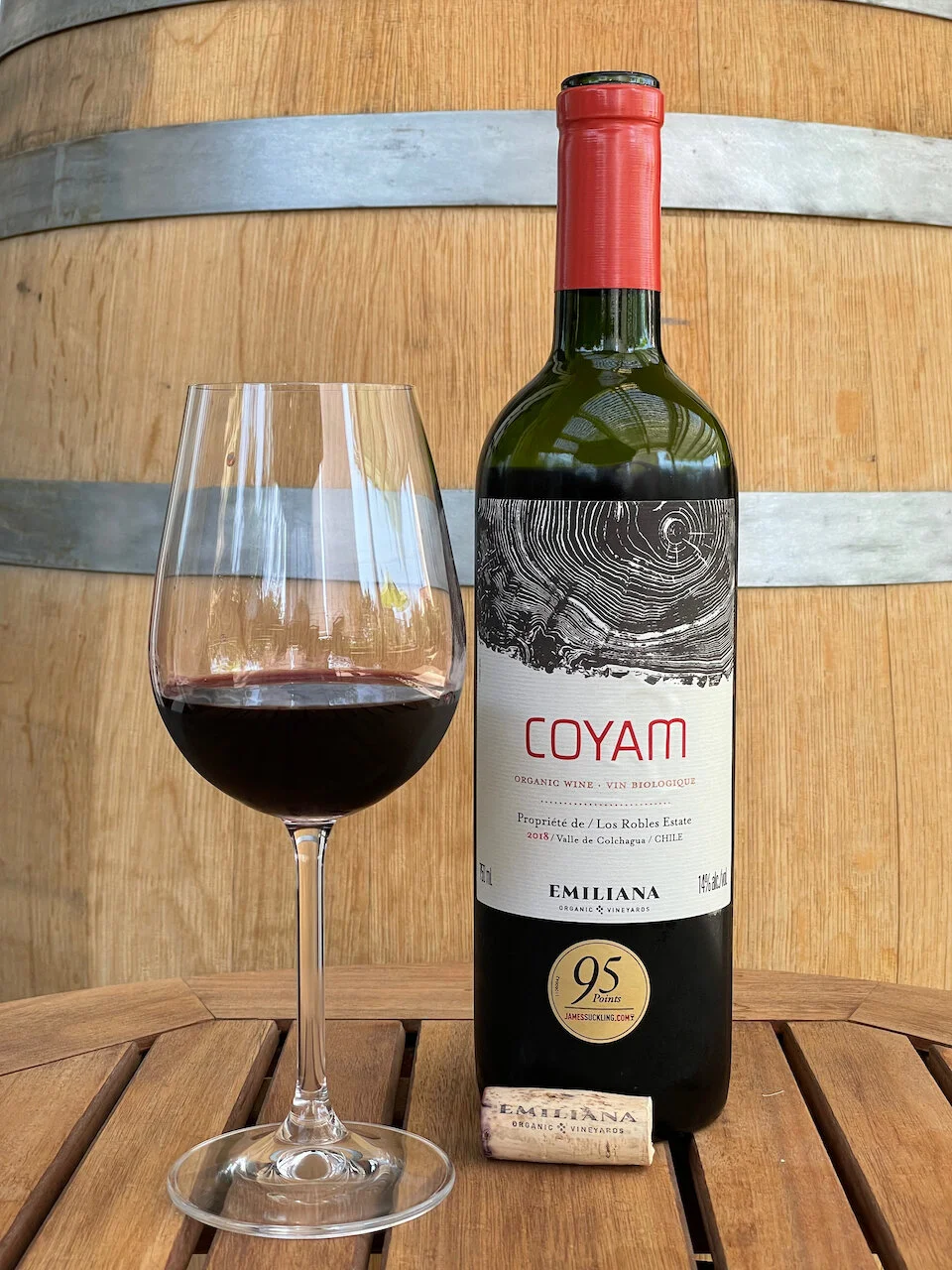
The next three Behind the Cork™ features will highlight Chilean wines that collectively underline Chile’s historic commitment to sustainable wine growing. Their focus on sustainability includes environmental, social, and economic.
Chile’s elevated s...
This is the second of three Behind the Cork™ features highlighting Chilean wines that collectively underline Chile’s historic commitment to sustainable wine growing. Their focus on sustainability includes environmental, social, and economic.
Chile’s...
Last time we explored how terroir (the soil, terrain and climate) can affect how a single varietal of wine tastes. But, there are a host of other things that can also affect a single varietal’s taste, aroma and overall flavor.
Harvest
Ripeness of ...
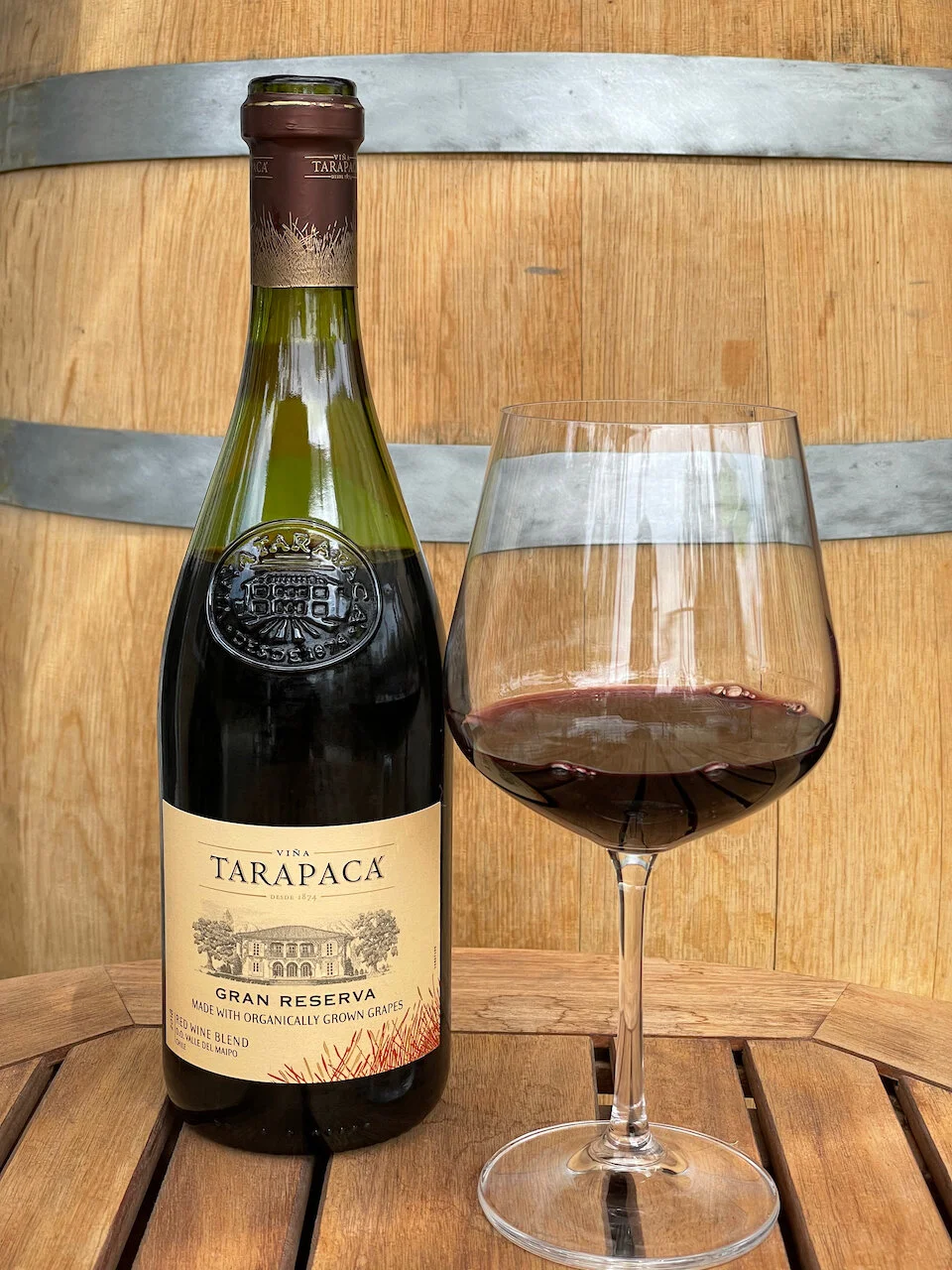
This is the third of three Behind the Cork™ features highlighting Chilean wines that collectively underline Chile’s historic commitment to sustainable wine growing. Their focus on sustainability includes environmental, social, and economic.
The firs...
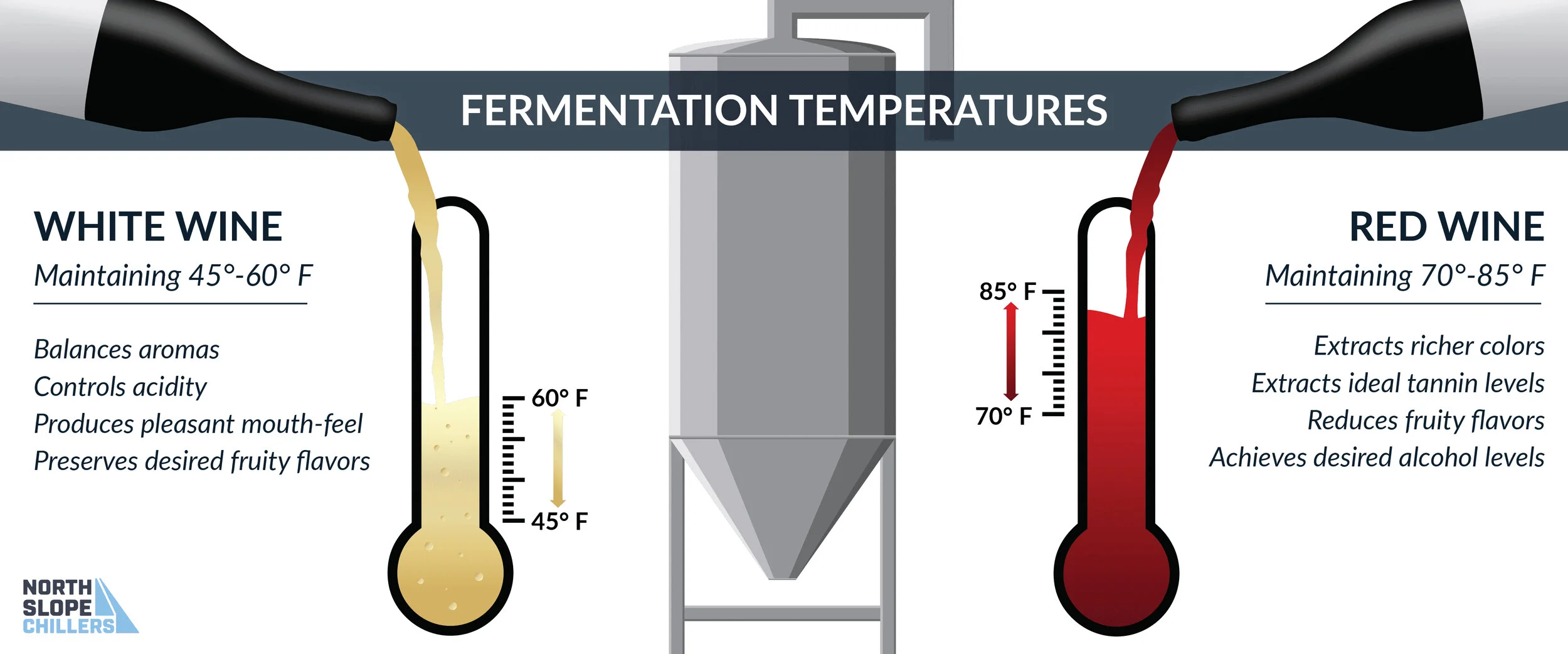
There’s a lot of chemistry that goes into making wine. And we learn from basic chemistry that heat is a catalyst. When heat is applied to a chemical reaction, it speeds things up. So, temperature plays a role in the fermentation of wine.
The higher...
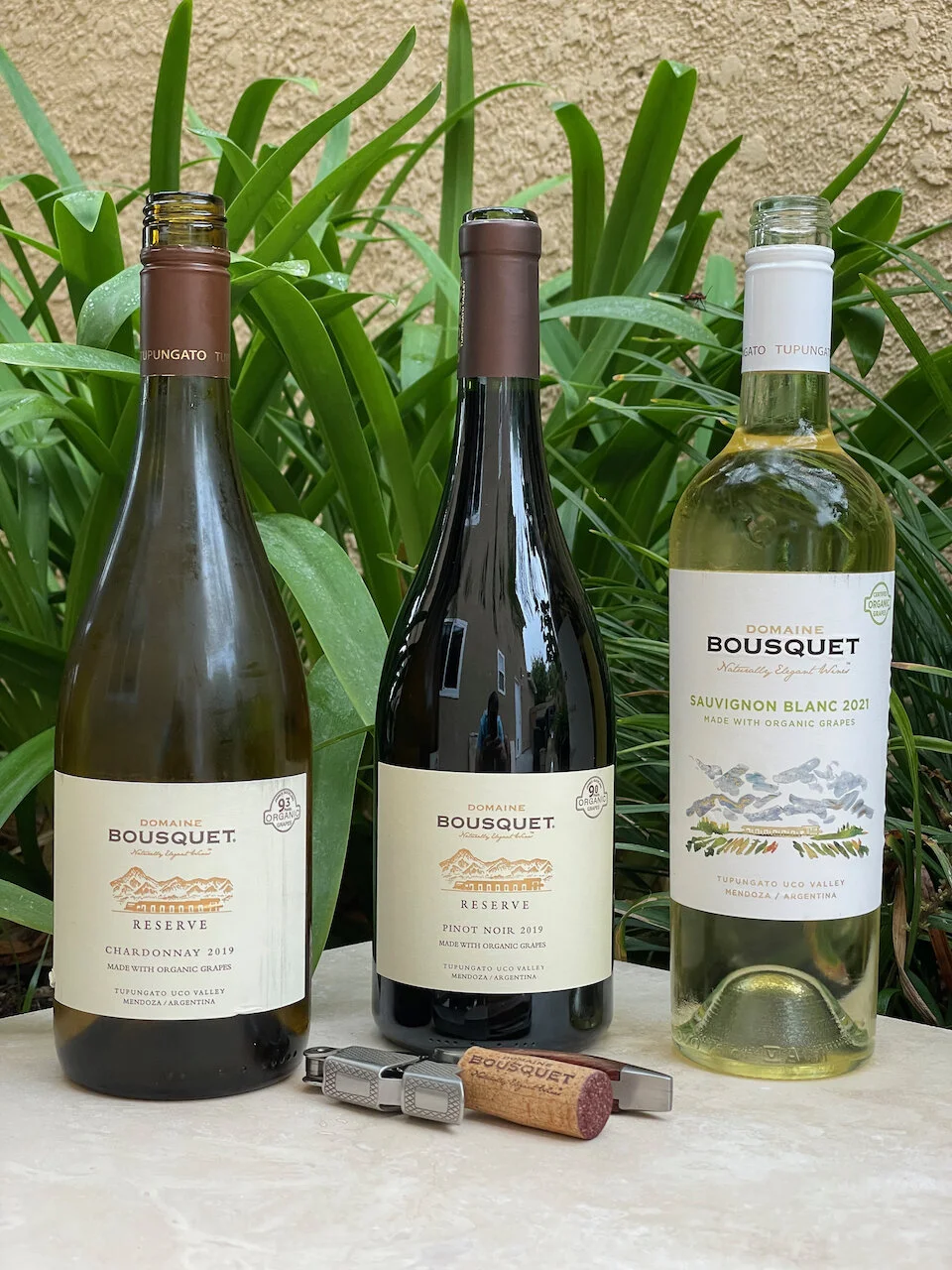
Embraced for their freshness, vibrant aromatics and fruit-forward qualities, wines from Tupungato Valley in Mendoza’s Uco Valley have become “must-haves” for Argentine connoisseurs. Domaine Bousquet, an early pioneer in this high-altitude sub-region ...
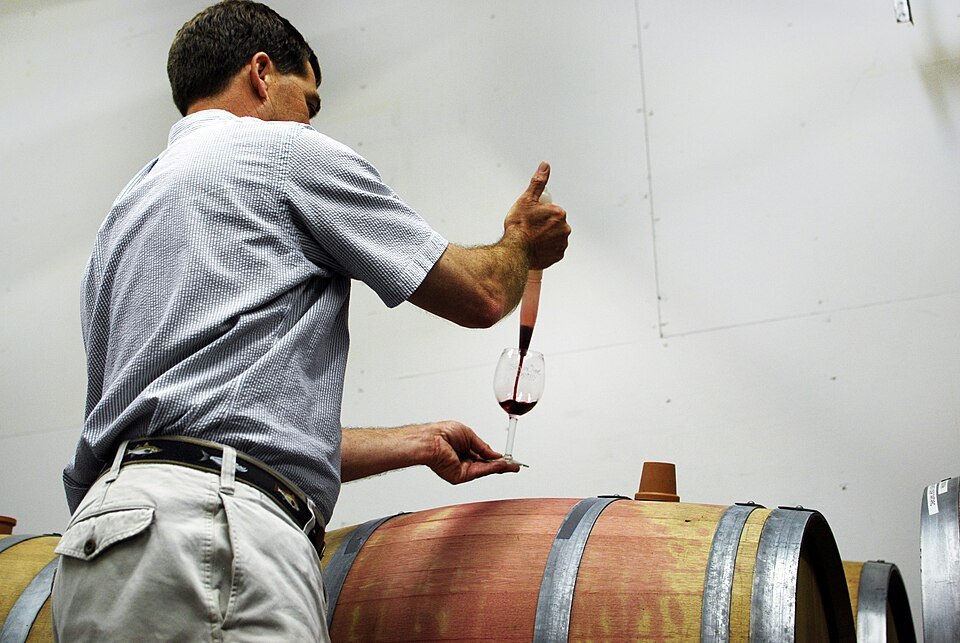
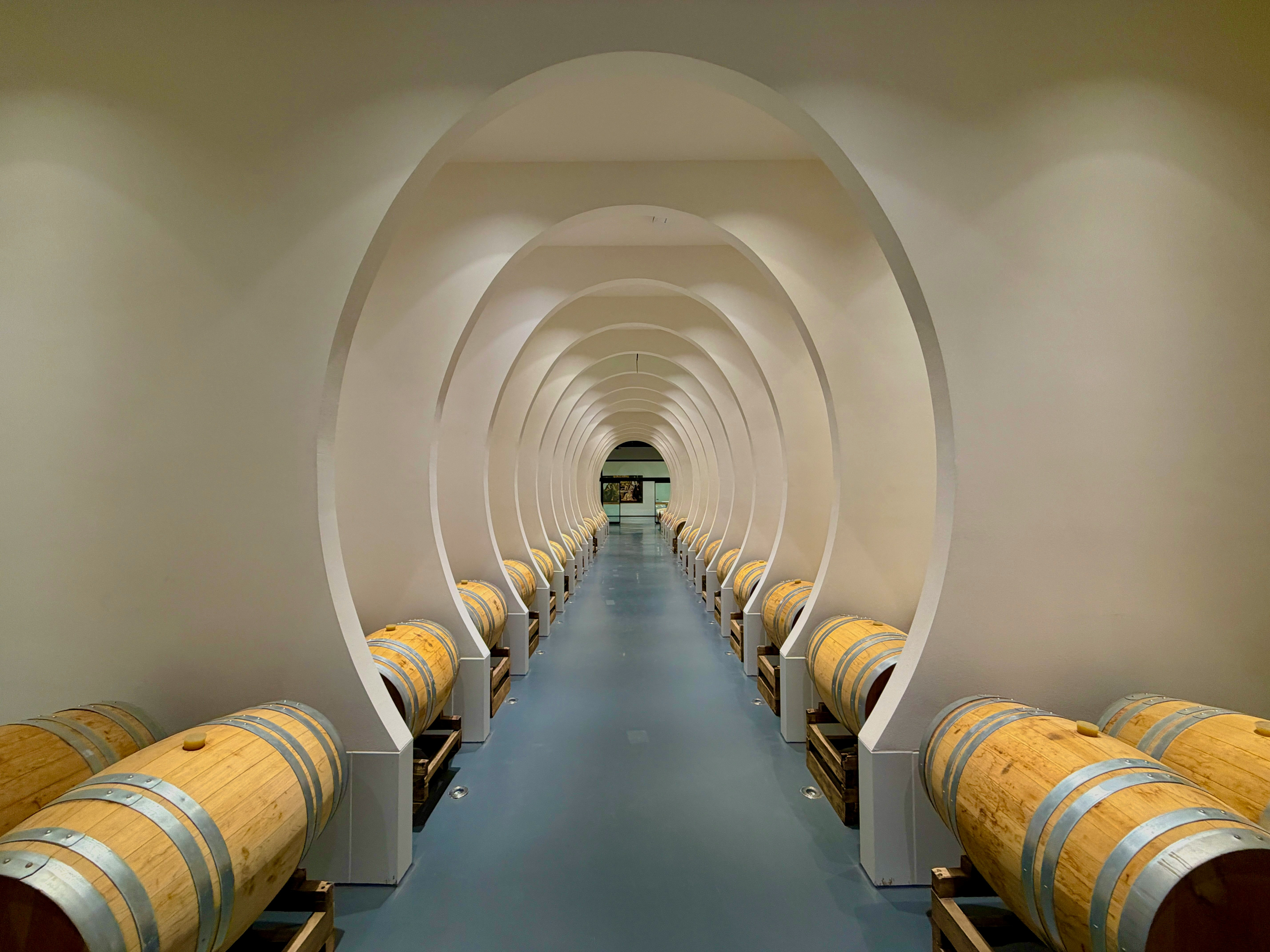
In a recent blog, I listed some of the many factors that can affect a wine’s flavors. One of the factors is the type of vessel chosen by the winemaker to ferment the wine. So, let’s take a closer look.
The three most common fermentation vessels are ...
 behind the cork