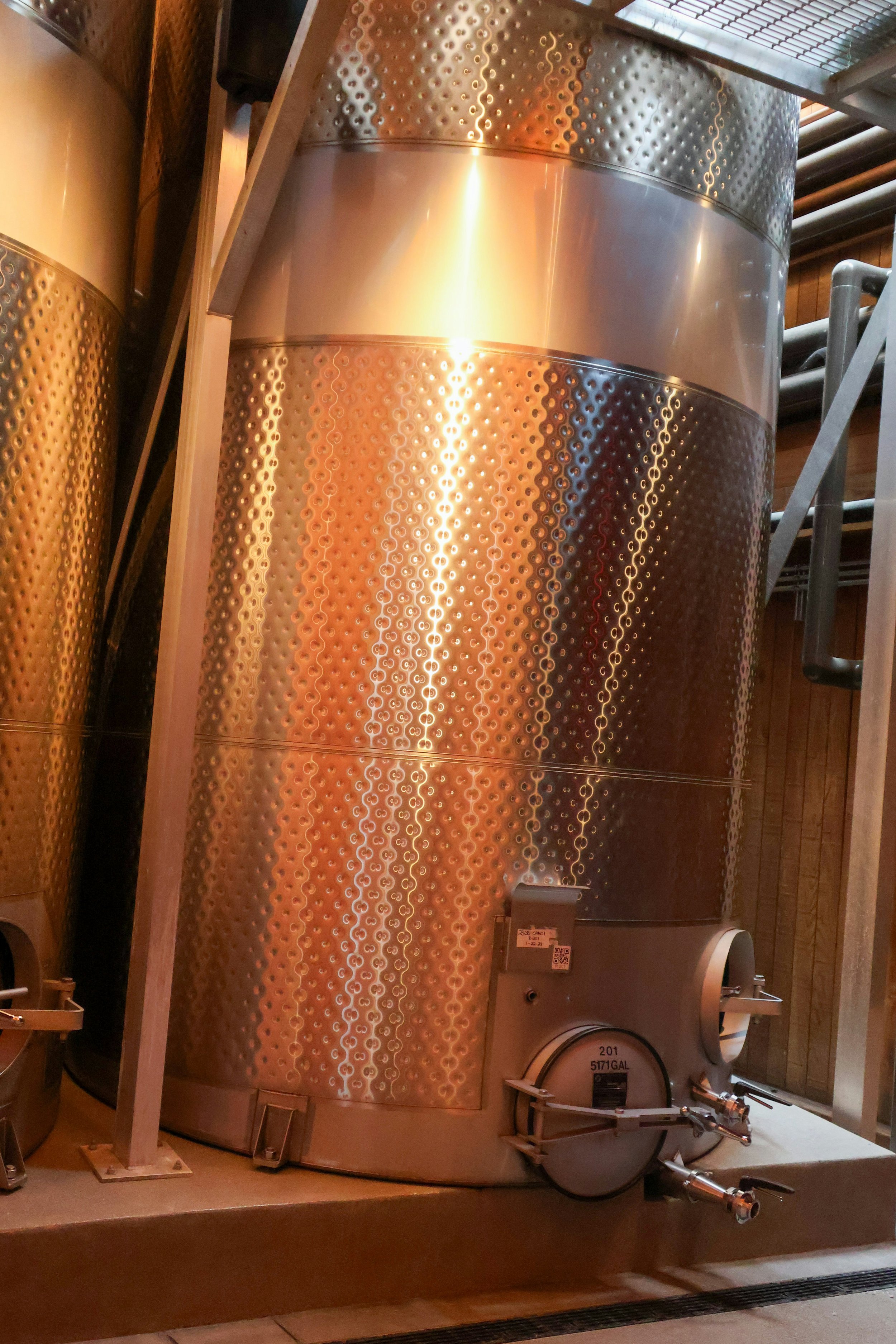
A large stainless steel tank used for fermentation Photo by Meg von Haartman on Unsplash
Another aspect of the art of wine making involves choosing the type of vessel used for fermentation. Fermentation vessels are available in several materials wit...
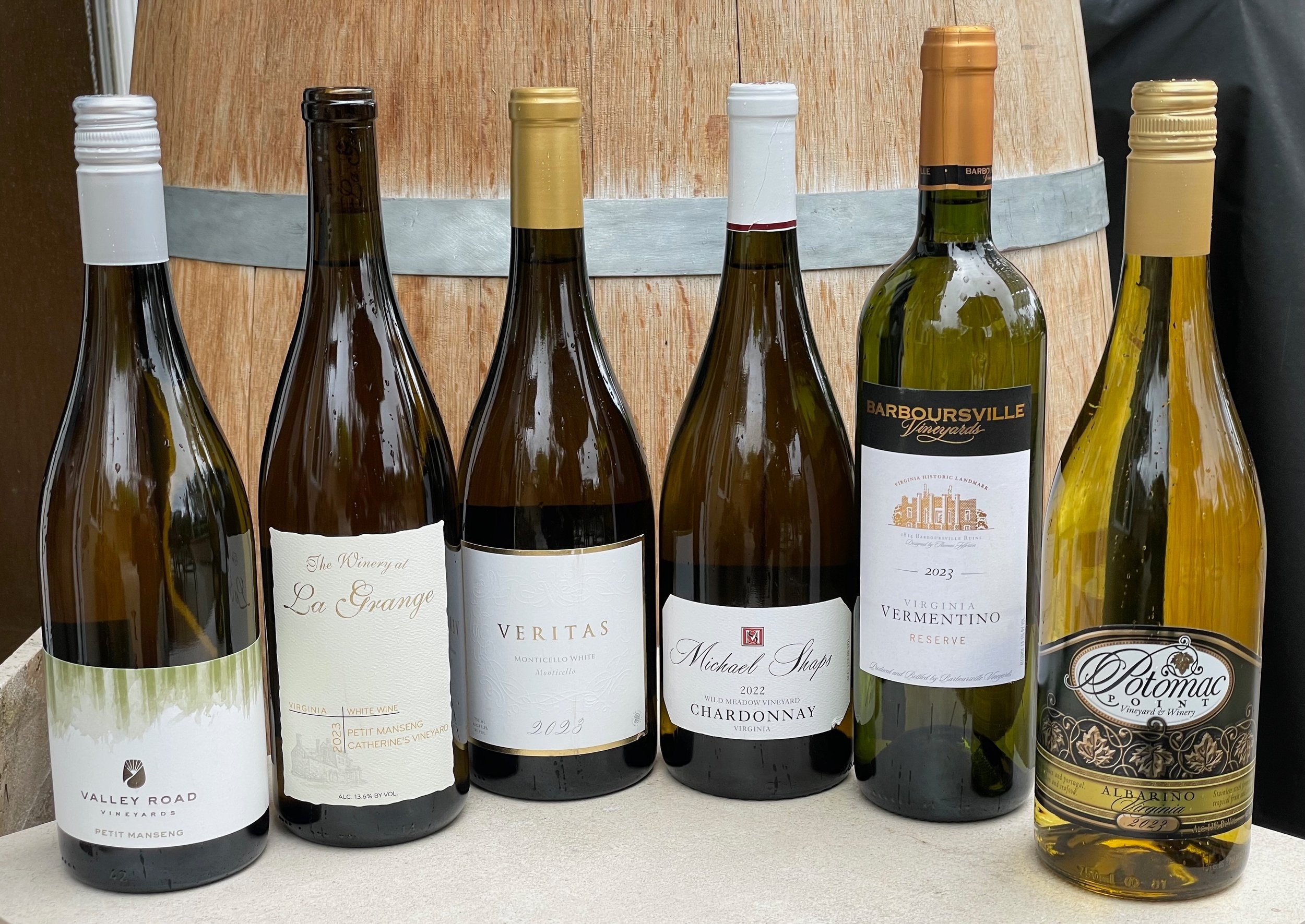
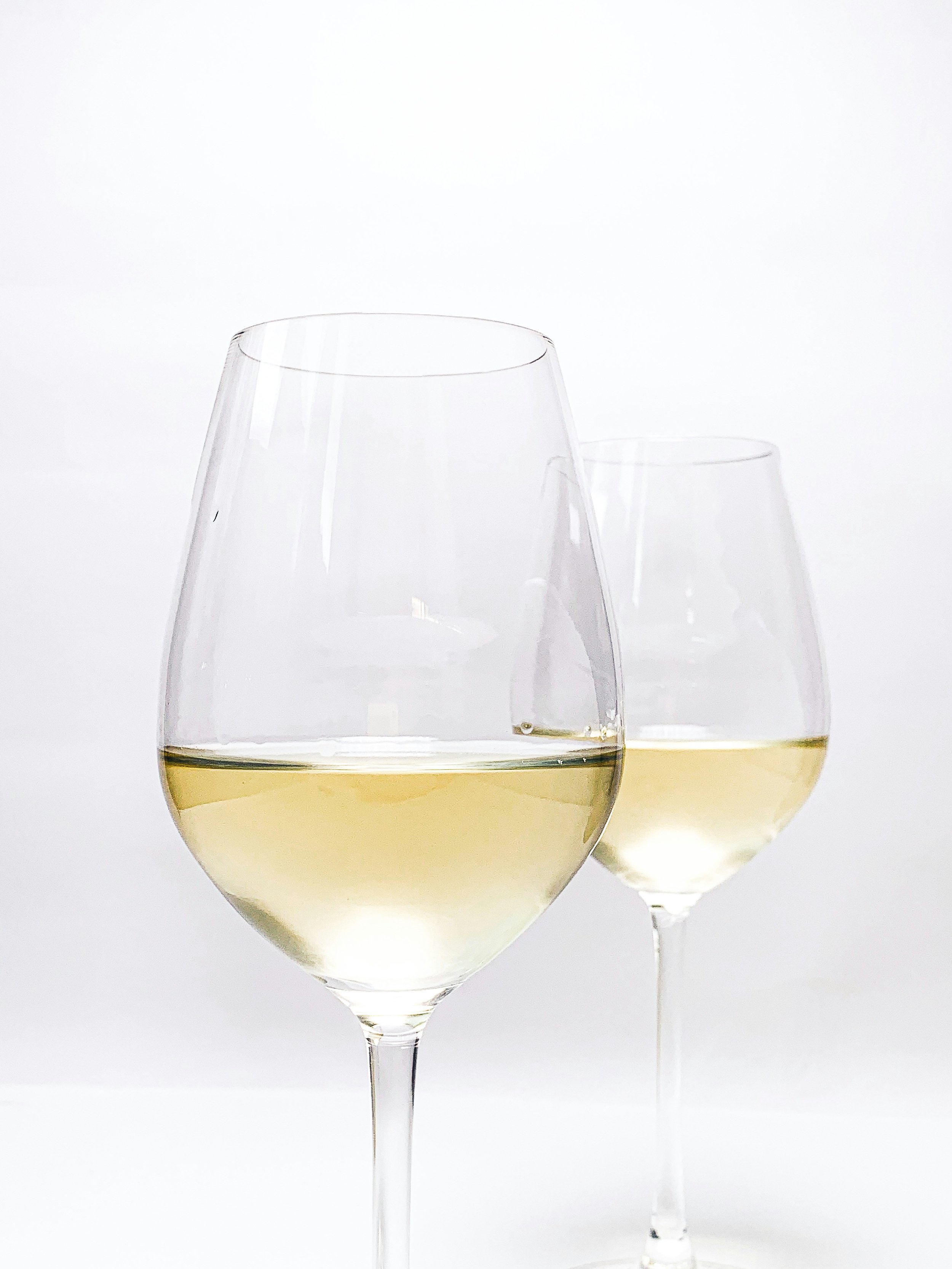
The Virginia Wine Governor’s Cup® Winning White Wines
Earlier this year, a qualified team of judges sampled over 620 of the best Virginia wines, ciders and meads from across the Virginia Commonwealth.
The Virginia Governor’s Cup Competition is one...
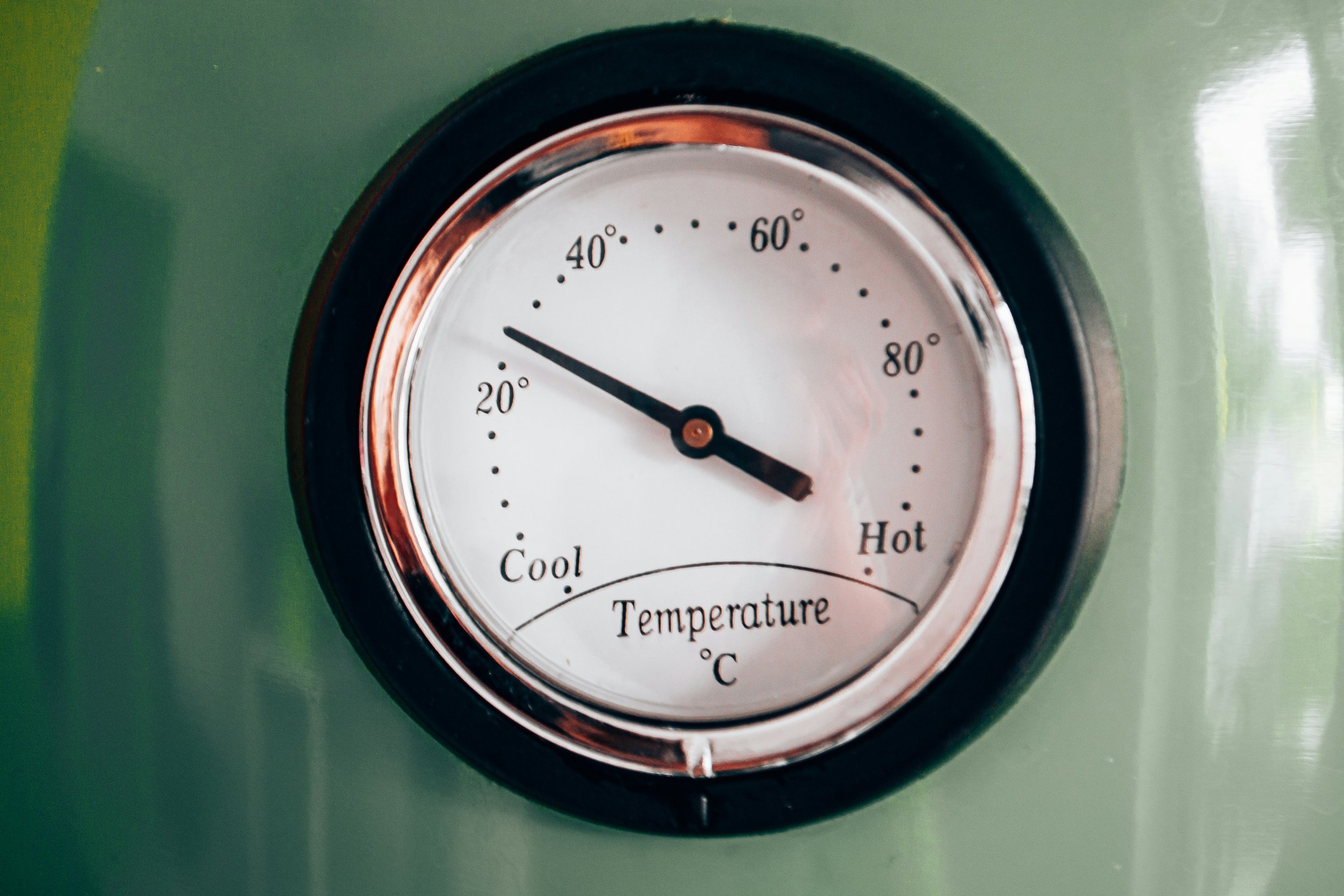
Temperature is a critical factor in wine fermentation, directly affecting the rate of fermentation, the development of aromas and flavors, and the survival of the fermentation yeast.
Winemakers make intentional, stylistic choices regarding fermentat...
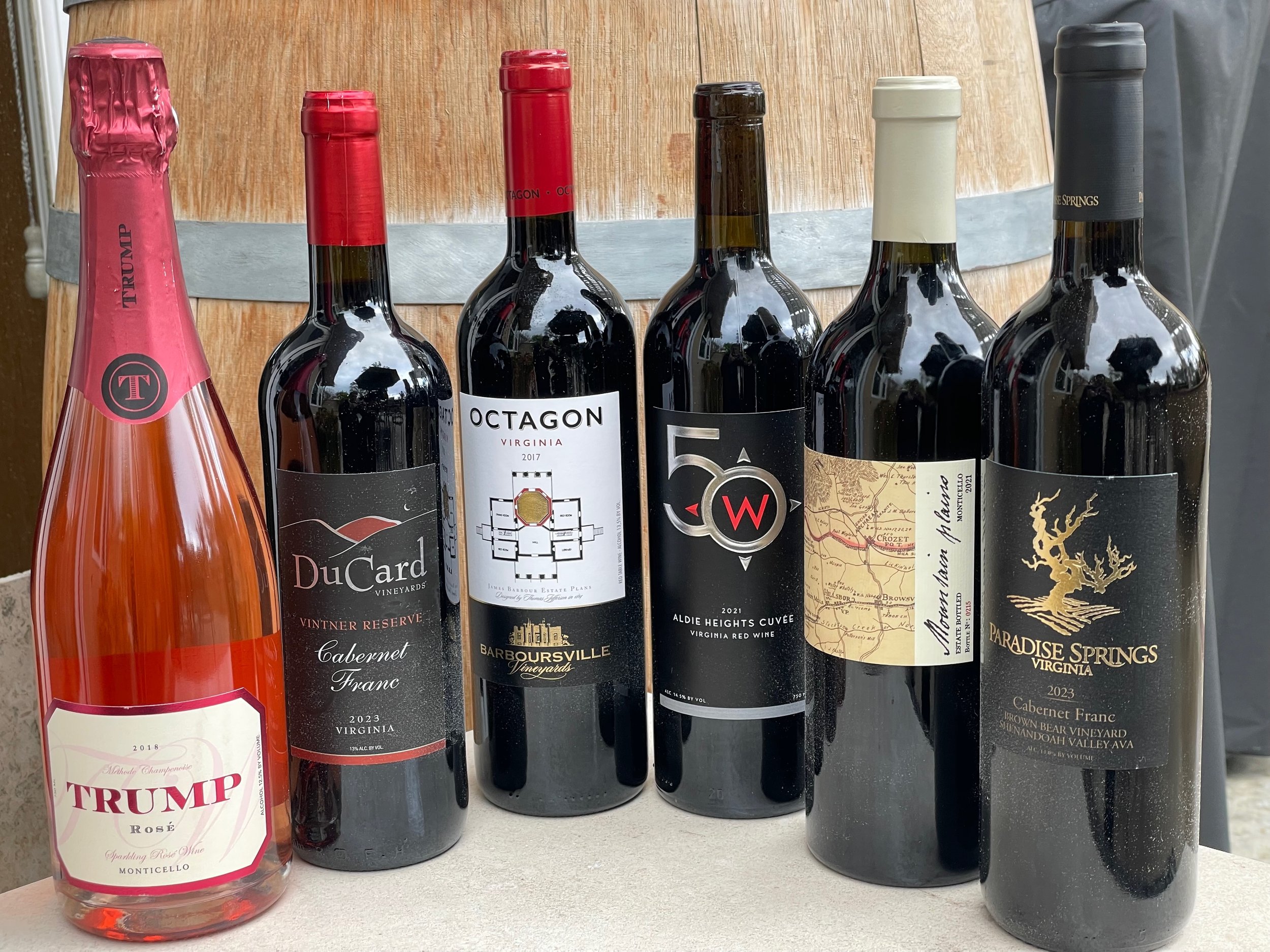
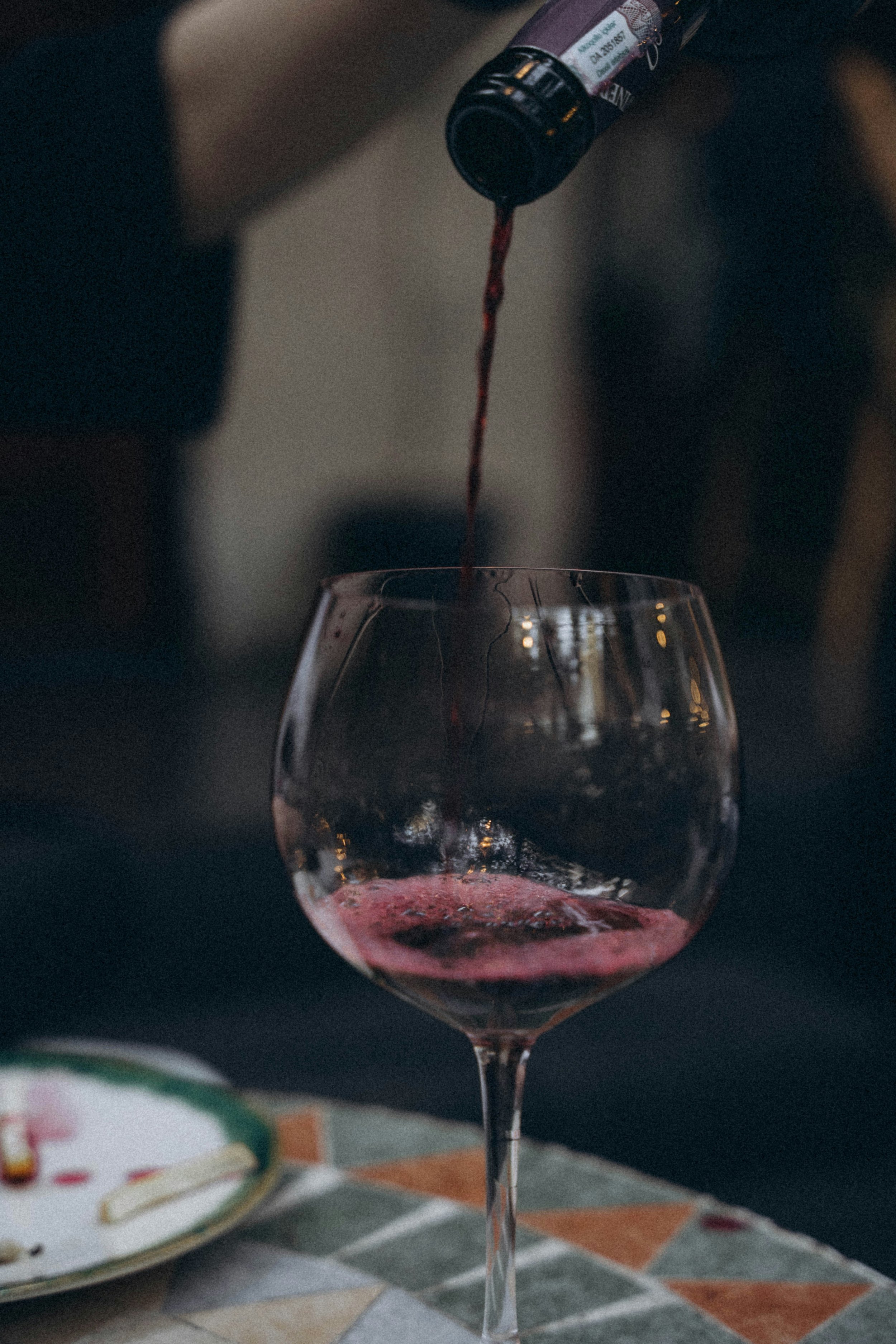
The Virginia Wine Governor’s Cup® Winning Red Wines
Earlier this year, a qualified team of judges sampled over 620 of the best Virginia wines, ciders and meads from across the Virginia Commonwealth.
The Virginia Governor’s Cup Competition is one o...
Winemakers control the duration of fermentation by managing several key factors that influence how long the yeast remains active in converting the sugar in the grape juice to alcohol.
Here’s are some ways a wine maker can control the length of ferm...
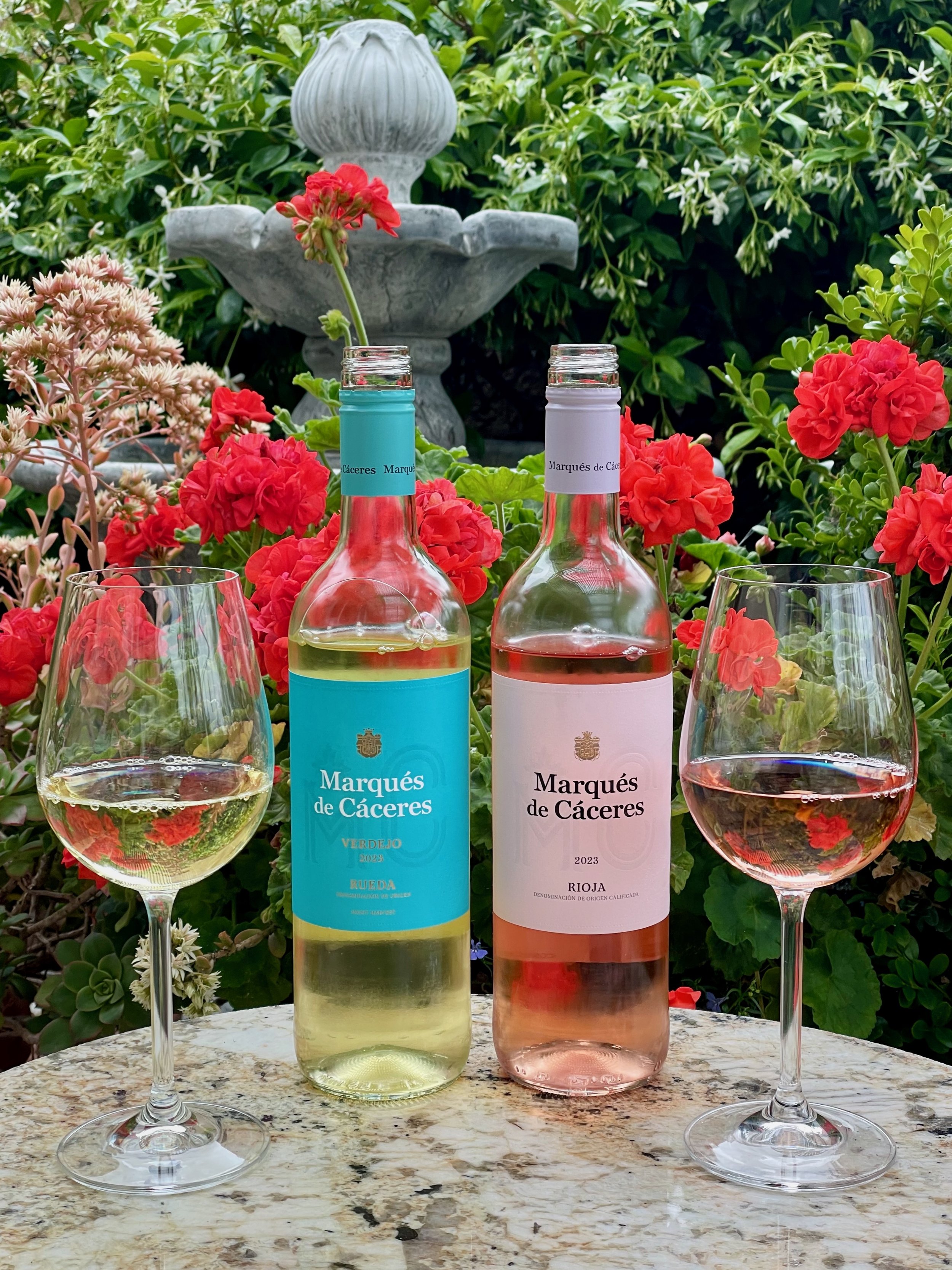
Marqués de Cáceres (Mar-kez Day Kass-er-rus) winery is located in Rioja Alta, Spain. It was founded in 1970 by the Forner family, an enterprising family that has been in the wine trade for five generations. The brand remains family-owned and women-ru...
Malolactic conversion, sometime called Malolactic fermentation, is a bacterial transformation (not a fermentation) that can take place in the wine making process. And, wine makers must decide if they want this conversion to occur in their wine.
To g...
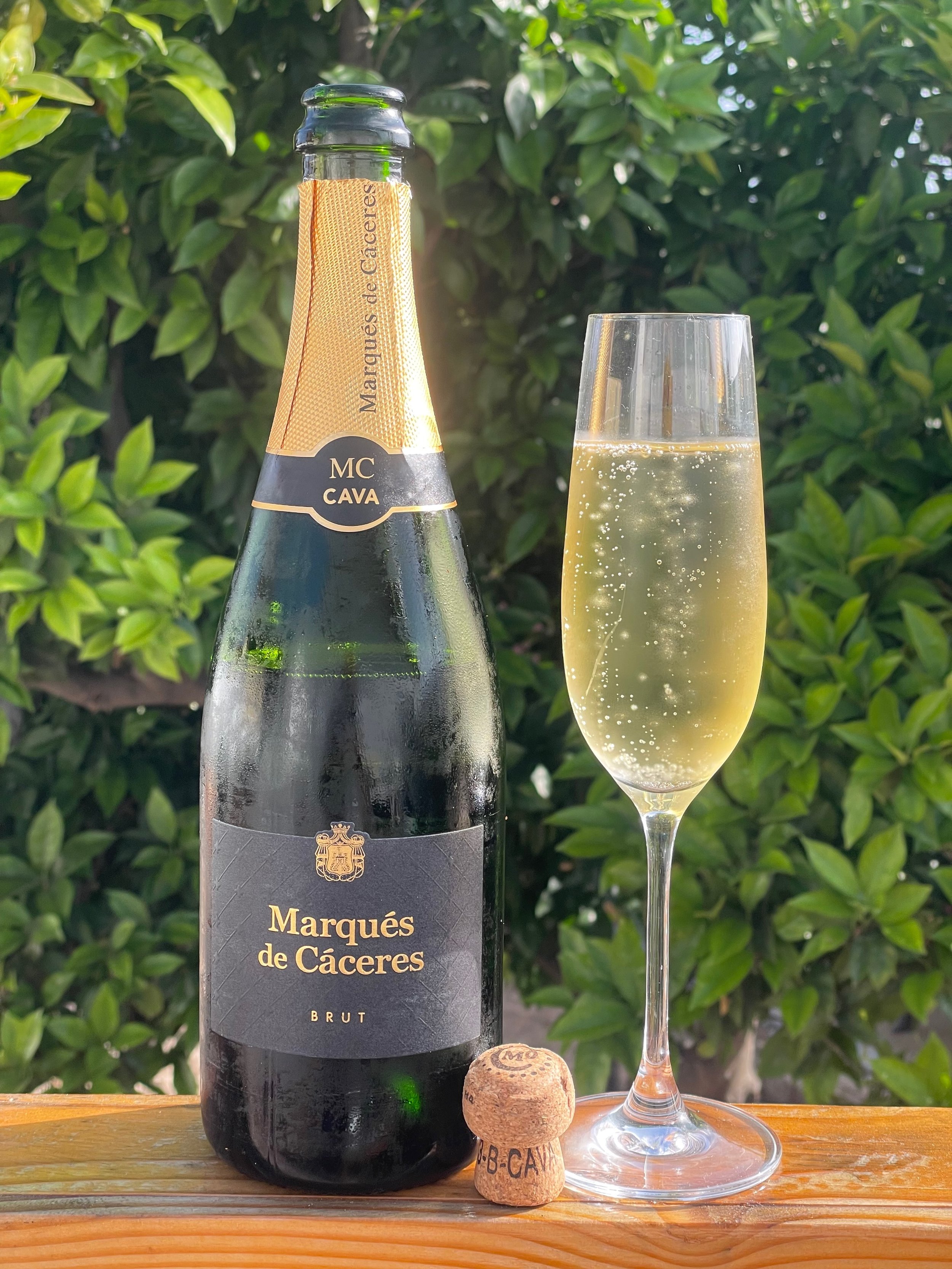
Marqués de Cáceres Cava ($12.99)
Marqués de Cáceres (Mar-kez Day Kass-er-rus) winery is located in Rioja Alta, Spain. It was founded in 1970 by the Forner family, an enterprising family that has been in the wine trade for five generations. The brand...
Punchdowns and pumpovers are techniques used by wine makers in the production of red wine.
They happen during fermentation and are used to manage the “Cap” - the grape solids (skins, seeds, stems) that rise to the top of the fermentation vessel and...
 general