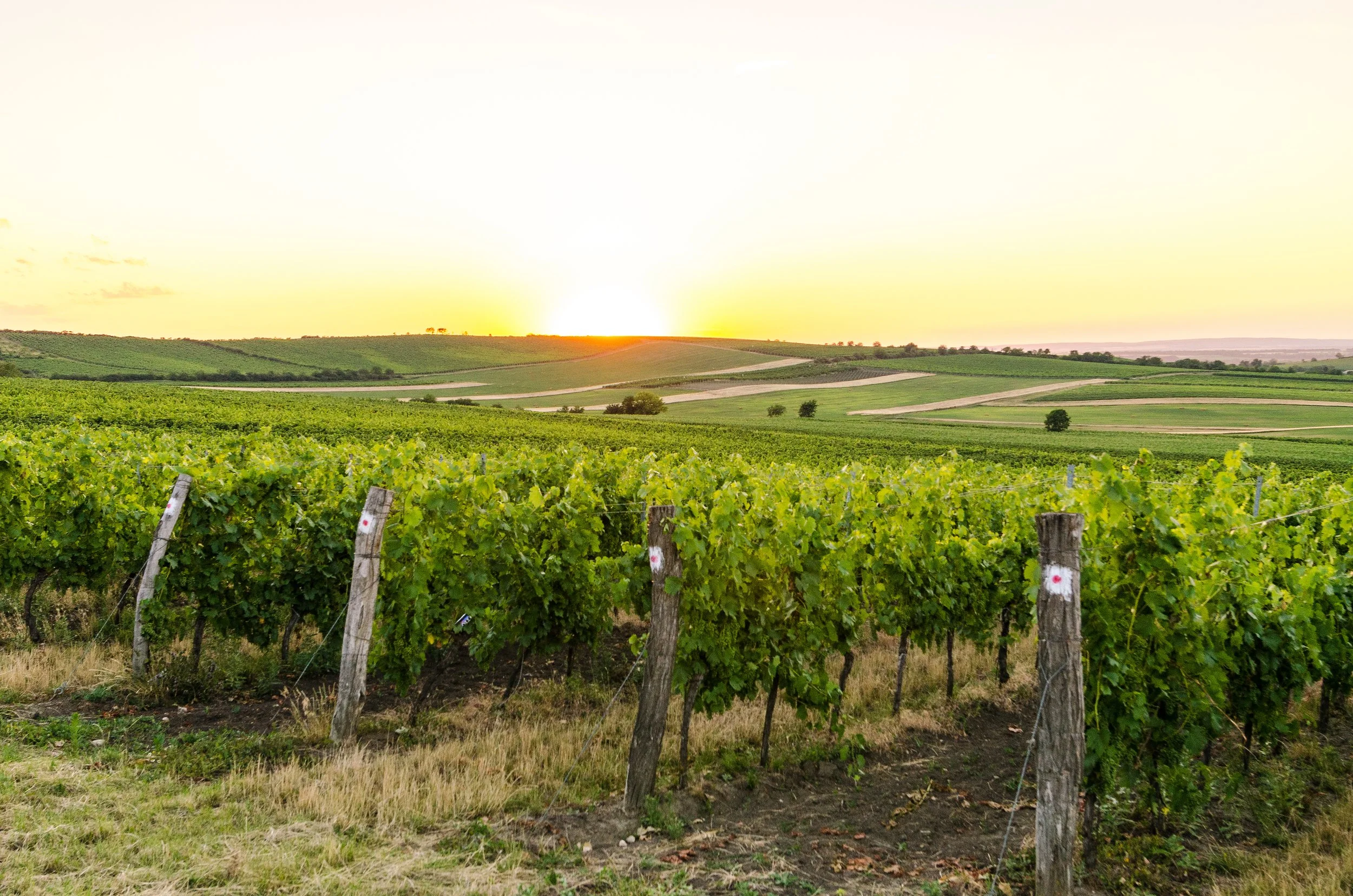
Last time, the topic of sparkling wine was introduced. And Champagne is the first thing that comes to most people’s mind when ordering or purchasing a sparkling wine. It is synonymous with celebrations and splurges.
As mentioned last time, only s...
Everybody loves Champagne. It’s a treat that is generally poured in small fluted glasses and raised during toasts at special occasions. But what a lot of people don’t realize is that they are not drinking Champagne.
Champagne is a sparkling wine th...
Last time, the topic of dry wines was addressed. It was discussed that ‘dry’ wines are technically those with no residual sugar. But, more often than not, wine can cause a drying sensation in the mouth that people associate with ‘dry’ wine. This sens...
You may have heard or even used the phrase regarding the preference for a dry wine. But what does that really mean? The problem is that the term gets used in a couple different ways.
When referring to a dry wine, a lot of people are referring to t...
In recent postings we’ve explored the information on U.S. wine labels. We’ve seen that the labels are required to tell us about the type of wine, the AVA or location where it was produced, the vintage or year the grapes were harvested, the alcohol c...
As noted in a recent posting, U.S. wine label regulations require wines that have a level of 10 parts per million (PPM) or greater of sulfur dioxide to be labeled with the declaration “Contains Sulfites.” And if you pay close attention to wine label...
Last time we looked at all the useful information on a wine label, specifically U.S. wine labels. Along with the type of wine, the vintage date and alcohol content, a wine label will usually tell you where the wine is from, geographically.
There ...
When looking for a bottle of wine it’s easy to be persuaded by the label. But, too often, the persuasion comes from a fancy graphic on the label or a cute name. There is actually a lot of good written information on the label of a wine bottle. For...
Oh boy! You’ve been invited to a party and asked to take a bottle of wine. Now what? You don’t think you know a thing about wine but are expected to show up and not embarrass yourself. Well, fear not!
There are several things to consider. Firs...
As discussed last time, decanting a wine can make a real difference. Decanting allows for some quick evaporation and exposes the wine to oxygen. Both improve the flavor of the wine, usually in just a few minutes or up to a couple of hours.
But I rec...